A wall can look clean from across the room and still tell a prospective tenant that a property has been neglected. Scuffs around light switches, patched nail holes, faded paint, and mismatched touch-ups are small details, but they affect how renters judge the whole home. So, should landlords repaint rentals between tenants? Often, yes – but not automatically after every move-out.
The right decision depends on the condition of the surfaces, the length of the prior tenancy, the quality of the existing paint, and the expectations for the next renter. A planned repaint protects the property, improves marketability, and can reduce bigger repair costs later. Repainting without a clear need, however, can add unnecessary expense to a turnover.
Should Landlords Repaint Rentals After Every Tenant?
Landlords are not always required to repaint simply because a tenant has moved out. Normal wear from responsible occupancy – such as slight fading, minor marks, or a few small picture-hanging holes – does not necessarily mean the entire unit needs fresh paint.
That said, a rental should be evaluated closely at every turnover. Paint is more than a cosmetic finish. It seals drywall, makes cleaning easier, and helps a home feel cared for. If the walls have widespread scuffs, stains, peeling areas, poor past repairs, or a tired color that limits appeal, repainting is usually the better business decision.
A good rule is to consider repainting when the cost of leaving the walls as they are could lead to a longer vacancy, lower-quality applications, tenant complaints, or a lower achievable rent. In a competitive rental market, a clean and neutral interior gives people confidence before they have even opened a cabinet or tested a faucet.
Normal Wear Versus Tenant Damage
One reason rental painting decisions become difficult is the difference between normal wear and damage. The line can vary by lease terms and local landlord-tenant rules, so property owners should keep clear move-in documentation and review applicable requirements before making deductions from a deposit.
Normal wear may include light traffic marks, gradual fading from sunlight, and small nail holes. These are expected over time, especially after a longer tenancy. A full repaint after several years is generally part of maintaining the owner’s asset.
Damage is different. Large holes, crayon or marker drawings, unauthorized dark paint colors, heavy smoke staining, excessive grease, or repeated impact marks may require repair and repainting beyond ordinary maintenance. Even then, it is wise to document the condition with dated photos, inspection notes, and invoices. Clear records protect both the landlord and the tenant from misunderstandings.
The practical point is that a tenant-caused issue may justify a targeted repair, but it does not always justify repainting an entire home at the tenant’s expense. Matching sheen, color, and paint age can be difficult. In some cases, painting one wall or one room is the most reasonable solution. In others, a broader repaint is necessary to achieve a consistent, professional finish.
When Repainting Delivers the Best Return
Fresh paint is most valuable when it solves a visible problem or supports a larger turnover plan. A unit that has been occupied for three to five years, for example, often benefits from a full refresh even if there is no single dramatic defect. High-contact areas such as hallways, entryways, kitchens, bathrooms, and stairwells tend to show wear first.
Repainting is also worth considering before listing a vacant property at a higher rent. A well-prepared unit photographs better, shows better, and feels move-in ready. Neutral colors help renters picture their furniture in the space, while clean trim and repaired walls signal that maintenance requests are likely to be handled with care.
For properties being updated between tenancies, painting should be coordinated with other work. Drywall repairs, wallpaper removal, popcorn ceiling removal, cabinet refinishing, trim painting, and flooring changes can all affect the final result. Completing surface repairs before painting prevents avoidable touch-ups and helps keep the schedule organized.
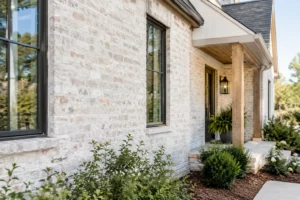
Exterior surfaces deserve the same attention. Peeling paint on doors, porches, fences, decks, or garage trim can allow moisture into wood and create a maintenance issue that becomes more expensive over time. A protective coating applied at the right time is often less costly than replacing damaged materials later.
Choose Durable Colors and Finishes for Rental Homes
The best rental paint plan is not always the cheapest gallon of paint. Lower-quality coatings can mark easily, require frequent touch-ups, and make cleaning harder. A durable, washable paint can reduce turnover work and provide better long-term value.
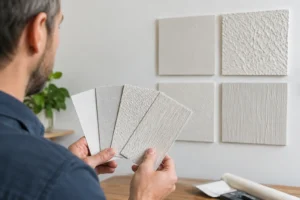
For most rentals, light neutral tones are a practical choice. Soft whites, warm grays, and light beige shades make rooms feel brighter and work with a wide range of tenant furnishings. Consistency also helps future repairs. When the same approved color is used throughout a property or across a portfolio, a painter can address a damaged wall without guessing at an old custom color.
Finish matters as well. Flat paint can hide surface imperfections, but it may be less washable in busy areas. Eggshell or satin finishes are often more practical for walls in hallways, living areas, kitchens, and children’s rooms. Bathrooms and kitchens need finishes that stand up to moisture and cleaning, while trim and doors typically need a tougher coating than drywall.
There is no single formula for every building. Older homes with uneven walls may need a finish chosen to minimize visual flaws. Newly renovated units may benefit from a more uniform, modern look. A professional assessment can help balance appearance, durability, and maintenance costs before work begins.
Do Not Paint Over Problems
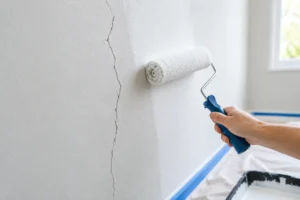
A quick coat of paint can improve a room, but it cannot fix the cause of recurring stains, peeling, or cracking. Before repainting, inspect the walls and ceilings for water damage, condensation, mold concerns, loose drywall tape, settling cracks, and failed caulking. These issues should be addressed before the finish coat goes on.
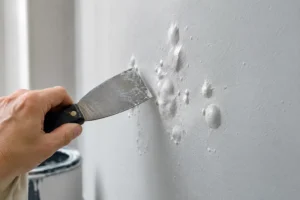
Preparation is where a lasting rental repaint is won or lost. Proper work includes cleaning surfaces, filling holes, repairing drywall, sanding rough patches, priming stains or repairs when needed, and protecting floors and fixtures. Skipping these steps may save time at the start, but the result often looks uneven and wears prematurely.
This is especially relevant when a tenant has smoked indoors, used candles heavily, or cooked frequently without adequate ventilation. Odors and stains can bleed through standard paint. The right primer, surface cleaning, and ventilation assessment are needed before applying the final color.
Plan Painting Around Vacancy Without Rushing It
Vacancy days matter, but rushed painting can create its own delays. Fresh paint needs appropriate drying and curing time, particularly in humid conditions or poorly ventilated spaces. Scheduling repairs, cleaning, painting, and final inspections in the right order keeps turnover moving without compromising the finish.
For landlords with multiple properties, a standard turnover checklist is helpful. It should include photos, wall and ceiling inspection, drywall repairs, paint condition, trim and door condition, moisture checks, and a final walkthrough before marketing the unit. This makes repainting decisions more consistent and helps budget for maintenance across the year.
Professional painters can also reduce disruption by defining the scope before work starts. Clear, upfront pricing should identify preparation, repairs, paint products, the number of coats, and any specialty work. A final walkthrough gives the property owner a chance to confirm that repaired areas, edges, trim, and overall coverage meet expectations.
A Fresh Start That Protects the Property
Repainting between tenants is not just about making a unit look new. It is a practical way to maintain surfaces, present the property well, and set a respectful standard for the next tenancy. The best approach is condition-based: repair and touch up when the finish is still sound, and repaint fully when wear, repairs, stains, or market expectations call for it.
For landlords in St. Catharines and the Niagara region, Qpainting Services can assess the full condition of a rental, from drywall repair and interior walls to trim, doors, cabinets, and exterior surfaces. A clear scope and careful final walkthrough help ensure the property is ready for its next tenant – and ready to stay looking good after move-in.