A buyer may forgive an older kitchen layout. They are less likely to overlook scuffed walls, a cracked ceiling, stained trim, or a deck that looks neglected. The best upgrades before selling homes are not always the biggest renovations. They are the improvements that make a property feel clean, maintained, and ready for its next owner from the first showing.
For sellers in St. Catharines and across Niagara, the right pre-sale work should support a confident listing, not create a renovation project that runs past its budget or timeline. Start by correcting visible condition issues, then focus on high-impact surfaces buyers notice immediately.
Start With What Buyers Can See and Feel
Buyers form an opinion quickly, often before they have reached the kitchen. Fresh, consistent finishes help them see the home itself rather than a list of jobs they will need to do after closing. That matters because a home that looks cared for can feel less risky, even when it is not newly renovated.
Walk through the property as if you were seeing it for the first time. Look at walls in daylight and with lights on. Check for nail holes, picture outlines, dents, water marks, peeling caulk, faded doors, and worn handrails. Outside, look for flaking paint, exposed wood, and areas where dirt or mildew distract from the property.
Not every imperfection requires a major upgrade. The goal is to remove the signs of deferred maintenance that give buyers room to question the condition of the home. A focused scope usually delivers more value than trying to modernize every room.
Fresh Interior Paint Is Usually the Strongest First Move
A professional interior repaint is one of the most practical pre-listing investments because it changes the feel of multiple rooms at once. Clean walls brighten a space, make photographs look better, and allow buyers to concentrate on size, light, and layout instead of stains or old color choices.
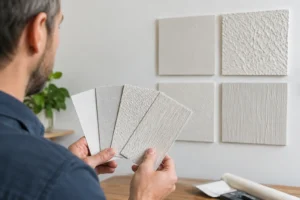
Neutral does not have to mean flat or lifeless. Soft warm whites, light greiges, and restrained beige tones can give a home a clean, current appearance while working with many furniture styles. The right choice depends on the flooring, fixed finishes, natural light, and the buyer profile for the neighborhood. A very cool gray can make a north-facing room feel colder, while a heavy beige may look dated beside newer finishes.
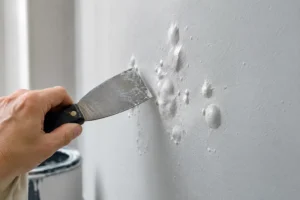
Preparation is what separates a lasting result from a quick cover-up. Nail holes should be filled, cracks repaired, loose paint stabilized, and surfaces cleaned before paint goes on. When walls have patches, smoke staining, or significant color changes, the correct primer and coating system matter just as much as the final color.
Do Not Ignore Ceilings, Trim, and Doors
Walls get attention, but ceilings, baseboards, window trim, and doors quietly tell buyers how well a home has been maintained. Yellowed ceilings can make a room seem dark. Chipped trim creates a worn look even when the wall color is fresh. A front door with peeling paint can weaken curb appeal before a buyer steps inside.
Painting these details is especially worthwhile when the home has good bones but has not been refreshed in several years. Crisp white trim can frame a room and make floors and wall colors look more intentional. A clean, properly finished front door can provide a strong first impression without the expense of replacing it.
Repair Drywall Damage Before It Becomes a Buyer Question
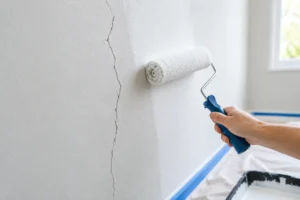
Small repairs often have an outsized impact during showings. Settlement cracks, dents from furniture, loose drywall tape, and old wall anchors may seem minor to an owner who has lived with them. To buyers, they can suggest bigger problems or future repair costs.
A proper drywall repair blends the damaged area into the surrounding surface. It should be patched, sanded smooth, primed as needed, and painted so the repair does not flash in changing light. Simply touching up a patch with leftover paint can leave a visible sheen difference, particularly on darker colors or walls with an eggshell finish.
Water marks deserve extra attention. Even if the original source has been corrected, stains should be investigated and sealed correctly before repainting. Buyers and home inspectors will notice evidence of moisture, so this is not an area to hide or rush. Address the cause first, then restore the surface.
Update Dated Surfaces Without Rebuilding the House
Some homes do not need a full renovation to compete. They need dated finishes brought back into presentable condition. Cabinet painting, wallpaper removal, popcorn ceiling removal, and brick staining or painting can be effective when the underlying materials are sound.
Cabinet painting is often a smart alternative to cabinet replacement when boxes and doors are structurally solid but the finish is worn, yellowed, or too dark for the space. It requires careful cleaning, sanding, priming, and durable coatings. A rushed cabinet paint job can chip or show brush marks, so this upgrade is worth doing professionally when it is part of the selling strategy.
Wallpaper is more situational. A single, well-installed modern feature wall may not hurt a sale. Busy, damaged, or room-wide wallpaper is more likely to limit buyer appeal. Removing it, repairing the wall beneath it, and applying a clean paint finish can make a bedroom, hallway, or dining room feel considerably larger and more current.
Popcorn ceiling removal can also help in older homes, particularly when the texture is stained, damaged, or visually heavy. Before disturbing a ceiling texture in an older property, have it assessed appropriately for hazardous materials. Safety and proper preparation come first.
Best Exterior Upgrades Before Selling Homes
Curb appeal is not about turning a house into something it is not. It is about making the exterior look protected, tidy, and inviting. Buyers often decide how they feel about a property while waiting at the front door, so exterior paint and wood finishes deserve a place in the pre-sale plan.
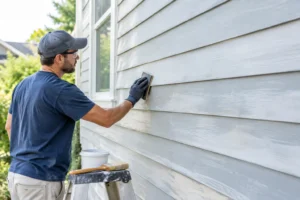
Prioritize peeling trim, worn fascia, faded shutters, aging garage doors, and an entry door that has lost its finish. These items are highly visible and can make an otherwise well-kept home appear neglected. Exterior preparation should include cleaning, scraping failing paint, sanding rough edges, filling appropriate gaps, and applying products suited to the material and weather exposure.
Decks and fences should be evaluated honestly. If the wood is weathered but sound, cleaning and staining can restore its appearance and help show buyers that the outdoor space has been maintained. If boards are soft, loose, or damaged, repairs should come before stain. Applying a new coating over failing wood may look better briefly, but it does not solve the underlying issue.
Brick painting or staining can improve curb appeal in the right setting, but it is not a universal answer. It is a significant visual commitment and should be considered carefully, especially on homes where the existing masonry is in good condition. When chosen, the preparation and breathable coating system are critical to a durable result.
Spend Where the Property Needs It, Not Where Trends Suggest
A pre-sale budget should follow the home’s condition and price range. If the kitchen is structurally functional but has tired cabinet color, refinishing may be more sensible than a full replacement. If bathrooms are clean but walls are marked up and caulk is failing, repairs and paint may produce a better return than new fixtures alone.
Avoid spending heavily on highly personal design choices shortly before listing. Dramatic colors, specialty finishes, and expensive materials can appeal to some buyers while narrowing the audience for others. The safer strategy is a clean, cohesive baseline that lets buyers imagine their own furniture and style in the home.
Timing also matters. Pre-listing work needs enough time for repairs, drying, curing, cleaning, staging, and photography. Trying to paint occupied rooms while packing can be disruptive, but a clear plan keeps the project manageable. A detailed estimate should identify preparation, repairs, coatings, areas included, and the expected schedule so there are no surprises close to launch.
Choose a Finish That Holds Up Through Showings
The last stretch before a sale can be busy. Movers, pets, children, cleaners, and repeated showings put fresh surfaces to the test. Durable coatings and proper cure time help the home stay presentable through the listing period.
For sellers who want a coordinated scope, Qpainting Services can assess walls, ceilings, trim, doors, cabinets, drywall repairs, and exterior surfaces as part of a clear pre-sale plan. The priority is not adding work for its own sake. It is identifying the surface improvements that help the property show at its best with minimal disruption.
A successful pre-sale upgrade should leave buyers with fewer distractions and you with fewer last-minute decisions. Put the budget toward visible repairs, clean finishes, and protected exterior surfaces, then let the home make its best case when the door opens.