A brick exterior can look tired long before it is structurally worn out. Brick limewash offers a softer, more natural-looking change than an opaque coating, but it is not a shortcut for damaged masonry or a finish that belongs on every wall. The condition of the brick, mortar, previous coatings, and moisture exposure all matter before work begins.
For homeowners and property managers, the appeal is easy to understand. Limewash can brighten dark brick, reduce visual inconsistencies, and give an exterior a clean, established character without making the surface look like flat painted siding. The right result starts with a careful assessment, proper preparation, and realistic expectations about how the finish will wear over time.
What Is Brick Limewash?
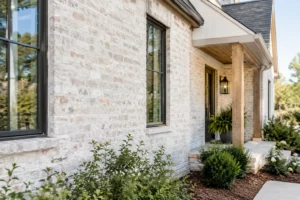
Brick limewash is a mineral-based finish traditionally made with lime and water, often with natural pigments added for color. Unlike conventional exterior paint, which forms a more continuous film across the surface, limewash is intended to absorb into porous masonry. It creates a matte, gently varied finish that allows the texture of the brick to remain visible.
That variation is part of its appeal. Limewash does not usually look perfectly uniform from one brick to the next. As the finish dries and ages, subtle changes in tone can make a home feel less stark and more connected to the character of the masonry.
It is also different from brick staining. A stain is designed to change the color while retaining the brick’s surface appearance, often with more consistent coverage. Limewash can offer a more chalky, layered appearance and may weather gradually in exposed areas. Neither choice is automatically better. The best option depends on the look you want and the condition of the exterior.
When Brick Limewash Is a Good Fit
Limewash generally performs best on bare, absorbent brick that is in good repair. It is often a strong choice for a homeowner who wants to lighten a red or brown brick exterior without covering every bit of texture and variation beneath it.
It can also work well when a property needs curb appeal before a sale or rental turnover, provided the masonry is sound and there is enough time to prepare the surface correctly. A well-executed finish can make older brick look cleaner and more intentional while keeping the home from looking overly renovated.
The result is especially attractive on homes with brick that has visual character but inconsistent color. Instead of trying to hide every difference, limewash softens the overall appearance. White, warm cream, light gray, and muted taupe are common choices because they complement a range of trim, roofing, and landscaping colors.
That said, the finish is not ideal when the goal is a crisp, perfectly even solid color. A high-quality masonry paint may be a better fit for that look. Limewash is for homeowners who appreciate a little movement and weathered character in the finish.
Bare brick matters
The brick needs enough porosity for the limewash to bond as intended. Previously painted, sealed, or heavily coated brick can create problems. Applying limewash over an incompatible surface may lead to uneven absorption, poor adhesion, or a finish that fails earlier than expected.
A professional evaluation should identify whether old paint, water-repellent sealers, efflorescence, or patchy prior repairs are present. In some cases, removal or a different coating system is necessary. It is better to adjust the plan early than to apply a finish that cannot perform properly.
Preparation Is the Part You Cannot See Later
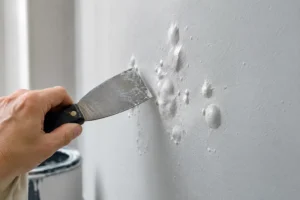
A beautiful exterior finish depends on work that is easy to overlook once the project is complete. Before limewash is applied, the masonry should be inspected for loose mortar, cracked bricks, surface contamination, and signs of moisture intrusion.
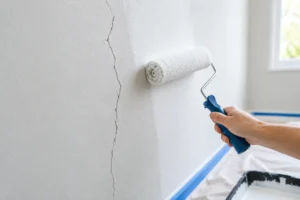
Mortar joints that are failing should be repaired before any finish goes on. Cracks deserve attention as well, particularly around windows, doors, chimneys, and transitions where water can find its way behind the brick. Covering these concerns does not solve them. It can make future repairs more difficult and leave the exterior vulnerable to ongoing moisture damage.
Cleaning must be thorough but controlled. Dirt, mildew, chalky residue, and loose material need to be removed without aggressively damaging the brick face or mortar. Harsh cleaning methods can scar older masonry, so the approach should match the age and condition of the home.
After cleaning, the wall needs adequate time to dry. Moisture trapped in masonry can interfere with adhesion and contribute to uneven results. This is particularly relevant in the Niagara region, where changing temperatures, rain, and freeze-thaw cycles can put exterior materials under regular stress.
Masking and protection also matter. Windows, doors, soffits, walkways, landscaping, and adjacent siding should be protected before application begins. A professional crew plans for these details so the refreshed brick does not come with unwanted cleanup or disruption around the property.
Choosing the Right Color and Coverage
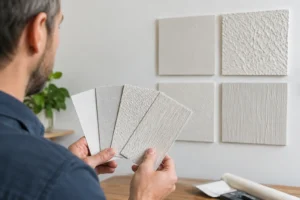
A sample area is one of the most valuable steps in a brick limewash project. Color shifts throughout the day, and the final appearance is influenced by the original brick, mortar color, surface absorption, shade, and surrounding exterior elements.
A white that looks fresh on a sample board may appear much brighter against a dark roof. A gray with cool undertones may conflict with warm stonework or tan window trim. Reviewing samples directly on the home helps avoid a decision based on a small swatch under indoor lighting.
Coverage should be discussed just as carefully as color. Some homeowners want a more opaque finish with only light texture showing through. Others prefer a thinner, more translucent application that lets the brick variation remain prominent. Both can look excellent when the expectation is clear from the beginning.
For historic-looking or older homes, a softer finish often suits the architecture better than a dense, uniform layer. For newer homes with multiple exterior materials, a more consistent application may create a cleaner visual connection between brick, siding, trim, and garage doors.
Maintenance and Long-Term Expectations
Limewash is not a maintenance-free finish, but its gradual weathering is often less visually disruptive than the peeling associated with failed paint. Over time, exposure to rain, sun, and wind may create lighter areas, especially on ledges, near grade, and on walls facing the harshest weather.
For many homeowners, that gentle aging is part of the look. Others may prefer periodic touch-ups to maintain more consistent coverage. The frequency depends on the product used, site exposure, the quality of preparation, and how much weather the exterior receives.
Moisture management remains essential after the project is complete. Keep gutters functioning properly, direct downspouts away from the foundation, and address leaking flashing or damaged caulking promptly. No masonry finish can compensate for water repeatedly entering the wall system.
Avoid treating a limewashed wall like standard painted siding. Pressure washing, aggressive scrubbing, or harsh chemicals can alter the finish. If cleaning or touch-up is needed, use a method appropriate for limewashed masonry rather than assuming a conventional paint-care routine will apply.
Why Professional Application Makes a Difference
Brickwork is not a blank canvas. Each wall has its own repairs, absorption rate, exposure, and history of past coatings. Professional application begins with identifying those variables, then selecting a compatible process instead of applying the same solution to every property.
A clear scope should address surface preparation, masonry repairs, protection of surrounding areas, product selection, application method, cleanup, and final inspection. It should also explain where variation is expected and where repairs may remain slightly visible due to the nature of brick and mortar.
At Qpainting Services, the goal is to provide homeowners and property managers with a clear plan before work begins, careful execution while work is underway, and a final walkthrough that confirms the details have been addressed. That process helps reduce surprises and protects the value of the investment.
If you are considering a lighter, more timeless exterior, start by looking at the brick itself rather than only the color you want. A well-prepared wall and a finish selected for its condition will give brick limewash the best chance to look right on day one and continue aging gracefully in the years ahead.