A textured ceiling can make an otherwise well-kept room feel dated, shadowy, and harder to sell or rent. The question most property owners ask first is straightforward: what is the popcorn ceiling removal cost Ontario homeowners should expect? The honest answer depends less on the texture itself than on what is underneath it, how safely it can be removed, and what finish you expect when the work is complete.
For most Niagara-area homes, a professional quote should account for testing where needed, protection of the room, removal, drywall repairs, sanding, priming, and painting. Comparing a low scrape-only number with a complete finished-ceiling price can lead to surprises later. A clear scope gives you a much better basis for planning the work.
Typical Popcorn Ceiling Removal Cost in Ontario
For ceilings without asbestos concerns, professionally removing popcorn texture commonly falls in the range of about $2 to $6 per square foot in Canadian dollars. That range can increase when the ceiling needs significant repair, leveling, stain blocking, or a full repaint. Small projects may also carry a minimum service charge because the preparation and cleanup time are similar whether one room is large or small.
As a practical example, a standard 150-square-foot bedroom may cost several hundred dollars for straightforward removal and finishing, while an open-concept main floor can reach several thousand dollars once ceiling height, room protection, repairs, and painting are included. The right number comes from measuring the actual ceiling area, not just the home’s floor plan.
A professional estimate should state whether the price includes final painting. Removing the texture alone leaves a ceiling that usually needs repairs, sanding, primer, and two finish coats before it looks complete. For many homeowners, having one contractor manage the full process is the most efficient path to a clean, consistent result.
What Changes the Final Price?
The biggest price drivers are usually visible during an on-site assessment. A contractor needs to see the texture, check for cracks and previous patches, and understand how the room will be protected during the work.
Ceiling size and layout
Larger ceilings require more labor and materials, but layout matters too. A simple rectangular bedroom is faster to prepare and finish than a ceiling broken up by bulkheads, skylights, beams, stair openings, or multiple light fixtures. Open living rooms can look simple from below but become more time-consuming when furniture, flooring, and adjoining spaces need protection.
Ceiling height also affects labor. Standard-height rooms are generally more efficient. Vaulted, cathedral, and stairwell ceilings require additional access equipment and more careful setup, which can increase the project cost.
The condition below the texture
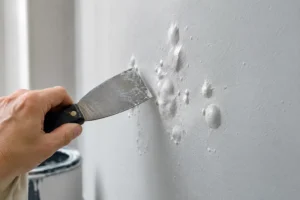
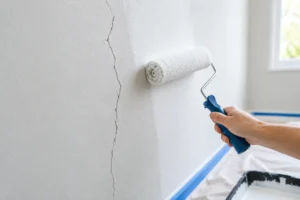
Popcorn texture can hide more than an outdated finish. Once it is removed, a ceiling may reveal drywall seams, nail pops, water stains, old repairs, or uneven areas. Minor patching is common and should be expected. Extensive drywall repair or skim coating adds time because each coat must dry and be sanded smooth before painting.
If there has been a roof leak, plumbing issue, or bathroom moisture problem, the source should be corrected before cosmetic work begins. Painting over an active issue only delays a more expensive repair.
Asbestos testing and abatement requirements
This is the factor that deserves the most care. Some older popcorn ceilings may contain asbestos, particularly in homes built or renovated before the mid-1980s. Texture cannot be judged by appearance alone. If the ceiling could contain asbestos, professional testing before disturbance is the responsible step.
Testing is a separate cost, but it protects the property owner, occupants, and workers from making assumptions. If a sample is positive, removal must follow proper containment and disposal procedures. That work costs more than standard scraping because the process is more controlled and specialized.
Do not sand, scrape, drill into, or wet down a suspect ceiling as a do-it-yourself test. A qualified assessment gives you a clear answer and helps you choose the correct next step. In some situations, encapsulating the texture with a new ceiling finish may be worth discussing, although it is not right for every property.
Furniture protection and jobsite preparation
Good preparation is not an optional extra. Popcorn ceiling removal can create fine debris, and wet removal methods can affect nearby surfaces if the area is not protected properly. Floors, walls, cabinets, vents, fixtures, and furniture all need consideration.
An empty room is generally faster and less expensive to work in. If furniture must remain, it should be moved toward the center, covered carefully, and protected from dust. Occupied homes, rental turnovers, and properties with limited access may require more planning to keep disruption low.
The finish you choose afterward
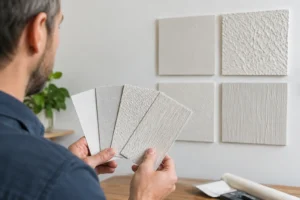
A smooth ceiling is often the preferred finish because it brightens a room and gives it a more current appearance. It also requires careful drywall work. Small imperfections that disappear in popcorn texture can show under smooth paint, especially near windows or recessed lighting.
Some owners choose a light orange-peel or knockdown texture instead. This can be a practical option when the goal is a refreshed look with less extensive leveling. The best choice depends on the condition of the ceiling, the age of the home, your budget, and the appearance you want in the finished space.
What a Complete Removal Project Should Include
A well-defined proposal reduces uncertainty. The scope does not need to be complicated, but it should make clear what happens before, during, and after the texture is removed. For a typical non-asbestos project, the work often includes room protection, fixture handling as agreed, controlled removal of the existing texture, debris cleanup, drywall repair, sanding, primer, and ceiling paint.
Ask how the contractor will manage dust, what repairs are included, and whether the final price covers painting. It is also reasonable to ask how changes will be handled if hidden damage appears after removal. Clear, upfront pricing does not mean no conditions can exist. It means those conditions are explained before work begins whenever possible.
At Qpainting Services, the goal is to assess the ceiling as a complete surface, not simply scrape off texture and leave the next stage to the homeowner. That approach helps ensure the finished ceiling looks intentional, durable, and ready for daily life or a property showing.
Is DIY Popcorn Ceiling Removal Worth It?
For a newer, tested, small ceiling with no damage underneath, a skilled homeowner may be able to handle the work. The material cost can be modest. The trade-off is time, mess, physical effort, and the risk of gouging the drywall or creating a ceiling that needs more repair than expected.
DIY removal becomes much less attractive in occupied homes, larger spaces, high ceilings, and any situation where asbestos is possible. Even when the scraping goes well, achieving a smooth painted finish takes patience and experience. Ceiling sanding is demanding work, and flaws are often most visible after paint dries.
Professional removal can be the better value when you want the project completed with contained preparation, coordinated repairs, and a final walkthrough. This is especially true for landlords preparing a turnover and sellers working toward a listing date, where missed timelines and incomplete finishing can cost more than the initial savings.
How to Get an Accurate Estimate
Photos can help start a conversation, but an on-site look produces the most dependable quote. Before requesting an estimate, note the age of the home, approximate room dimensions, ceiling height, visible staining or cracking, and whether the room will be furnished. If you have previous asbestos test results, keep them available.
During the estimate, focus on the finished result rather than the lowest removal price. Confirm whether testing is recommended, whether repairs and painting are included, how the room will be protected, and what the expected schedule looks like. A contractor who explains these details is helping you make a sound decision, not adding unnecessary complexity.
Removing popcorn texture can change the feel of a room more than many homeowners expect. With the right preparation and a clear scope, it is a practical improvement that leaves the ceiling clean, current, and ready to support the rest of your home.