A painting project can look straightforward until a quote leaves out the work that makes the finish last. Accurate paint estimates give homeowners, landlords, and property managers a clear picture of what will be painted, what needs repair, how the space will be protected, and what the completed project will cost. That clarity matters whether you are refreshing one room, preparing a rental between tenants, or protecting exterior wood from another Niagara winter.
A low number without a defined scope is not always a better value. If drywall repairs, caulking, stain blocking, sanding, moving furniture, or cleanup are missing from the conversation, they may become surprises later. A professional estimate should reduce uncertainty before work begins, not create it.
What Paint Estimates Should Cover
A useful estimate starts with an on-site assessment whenever the project involves more than a simple, well-maintained room. Photos can help with an initial conversation, but they do not always show peeling paint, failed caulking, wall damage, moisture staining, uneven textures, or the condition of exterior trim. Those details affect the preparation required and, ultimately, the durability of the finish.
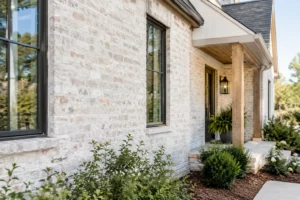
The written scope should identify the surfaces being painted. For an interior project, that may include walls, ceilings, baseboards, doors, window trim, crown molding, or cabinets. For an exterior project, it may include siding, soffits, fascia, brick, doors, railings, decks, fences, or garage surfaces. “Paint a room” can mean very different things depending on whether ceilings and trim are included.
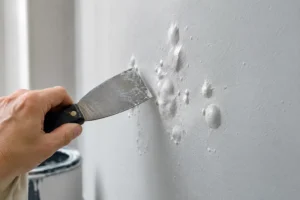
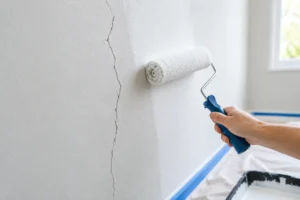
It should also explain the prep work. Preparation is where much of the labor lives, and it is rarely optional. A quality finish may require patching nail holes and drywall cracks, repairing dents, sanding rough areas, scraping loose paint, cleaning surfaces, caulking gaps, priming repairs, or applying a stain-blocking primer. On cabinets, doors, exterior wood, and previously damaged walls, the right prep has a direct effect on how the final coating looks and wears.
A clear estimate also addresses materials. The paint product, sheen, primer, stain, and protective coatings should suit the surface and the room’s use. A busy hallway, bathroom, rental unit, kitchen cabinet, and sun-exposed deck do not have the same performance needs. The least expensive coating can cost more over time if it scuffs easily, fails to bond, or needs to be redone sooner.
Why Square Foot Pricing Is Only a Starting Point
Many property owners look for a price per square foot because it seems like an easy way to compare painters. It can be useful for a broad budget range, but it is not enough to produce a dependable final quote. Two homes with the same floor area can require very different amounts of work.
A recently built room with smooth walls, clear access, and one color is typically faster to paint than an older room with wallpaper damage, dark colors, water stains, heavy furniture, high ceilings, and detailed trim. The same is true outside. A fence that needs a light wash and fresh stain is a different project from one with peeling finish, weathered boards, and multiple repairs.
The number of colors matters, too. Each additional color can mean more cutting in, masking, drying time, and material changes. Feature walls, stairwells, vaulted ceilings, intricate trim, and occupied spaces can all affect labor. These are not reasons for vague pricing. They are the reasons a contractor should inspect the work and explain the scope in plain language.
Questions to Ask Before You Accept a Painting Quote
The best question is not simply, “What is the total?” Ask what is included and what may change the price. A contractor should be able to explain the answer without technical language or pressure.
Confirm whether the estimate includes surface repairs, primer, paint, supplies, protection for floors and furniture, daily cleanup, and final cleanup. Ask how many coats are planned and whether ceilings, trim, closets, doors, or exterior details are included. If you are comparing estimates, make sure you are comparing the same work. One quote may cover a complete prep-and-paint process while another only allows for basic application.
For exterior work, ask how weather will be handled. Temperature, moisture, rain, and direct sun can affect application and curing. A responsible contractor will schedule exterior painting around suitable conditions rather than rushing a coating onto a damp or unstable surface.
It is also reasonable to ask about timing. A clear estimate should provide a realistic start window and expected project duration, while recognizing that hidden damage, material availability, or weather can occasionally require an adjustment. Good communication is especially valuable for rental turnovers, pre-sale work, and occupied homes where schedules matter.
Red Flags in Low-Cost Paint Estimates
A lower quote is not automatically a problem. A contractor may have an efficient crew, a focused service area, or a simpler project scope. The concern starts when the price is low because necessary work has been skipped or left undefined.
Be cautious when an estimate has only a one-line description, does not identify surfaces, provides no detail about prep, or promises a result without discussing existing damage. Watch for pricing that excludes materials without explaining the expected product cost, as well as verbal assurances that never appear in writing. If a contractor cannot tell you how they will protect your home, repair common defects, or handle changes in scope, it is difficult to hold anyone accountable later.
A painting estimate should not need to be a complicated legal document. It should be specific enough that both sides understand the plan. That protects the property owner and helps the painting team arrive prepared with the right labor, materials, and equipment.
When Repairs Change the Scope
Some issues cannot be fully confirmed until furniture is moved, wallpaper is removed, loose paint is scraped, or a damaged area is opened for repair. That does not mean the estimate was unreliable. It means the contractor should explain what is visible now, identify potential concerns, and communicate promptly if additional work is needed.
For example, a small stain may reveal a past leak, wallpaper removal can expose damaged drywall paper, and peeling exterior paint may point to moisture or failed caulking. The right response is not to paint over the issue. It is to discuss the condition, recommend a practical repair, confirm any cost change, and proceed only with approval.
This is especially important for older homes, rental properties with unknown maintenance history, and surfaces that have been painted many times. A careful assessment can prevent a fresh coat from hiding a problem for only a few months.
How to Prepare for a Faster, More Accurate Estimate
You do not need to know paint brands or measure every wall before requesting a quote. It helps, however, to decide which spaces or surfaces you want addressed and whether there are known concerns, such as cracks, water stains, peeling paint, damaged drywall, or worn deck boards.
During the estimate visit, point out areas that matter most to you. Perhaps a cabinet finish needs to stand up to daily cleaning, a basement has repaired walls that must blend well, or a rental unit needs durable, easy-to-maintain paint before new tenants arrive. Sharing those priorities helps the contractor recommend an appropriate scope instead of treating every surface the same.
If timing is important, mention it early. A listing deadline, move-in date, renovation schedule, or tenant turnover can influence how the work is phased. The goal is to plan the project around your property with minimal disruption, not force your schedule around a vague promise.
A Quote Is the Beginning of the Workmanship Standard
The estimate sets the tone for the entire project. When it is clear, the crew knows what is expected, the property owner knows what they are paying for, and final walkthroughs become a confirmation of agreed-upon work rather than a debate about details.
Qpainting Services approaches estimates as a practical plan for protecting and improving your property. A fast, no-obligation assessment, clear upfront pricing, and a final quality check give you a more reliable path from worn surfaces to a clean, durable finish. Before choosing a painter, look for a quote that gives you confidence not just in the price, but in the work that price represents.