A faded facade, peeling trim, or bare wood is not just a curb-appeal problem. It can be an early warning that moisture, sun exposure, and seasonal temperature changes are working their way into the surfaces that protect your home. Professional exterior painters help property owners address those issues before a straightforward painting project becomes a more expensive repair.
For homeowners, landlords, sellers, and property managers in St. Catharines and across Niagara, exterior painting is a practical investment in the property. The right process improves appearance, protects vulnerable materials, and creates a finish that is built for local weather rather than just the day it is applied.
Exterior Painting Starts With Surface Condition
Paint performs best when the surface beneath it is stable, dry, and properly prepared. That is why a reliable painting estimate should account for more than the number of walls, doors, or square feet. The existing condition of siding, wood trim, masonry, decks, fences, and garage surfaces matters just as much.
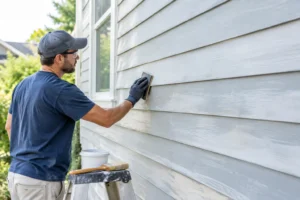
A property may need scraping where old paint has failed, sanding to smooth rough edges, caulking around gaps, or minor repairs before primer and finish coats can be applied. Wood that has begun to soften or rot may need replacement rather than another coat of paint. Painting over a weak surface can make it look better briefly, but it will not stop the underlying failure.
Exterior surfaces also carry dirt, pollen, mildew, chalking paint, and residue from previous coatings. Proper washing and drying are essential. If contaminants remain, fresh paint may struggle to adhere evenly. A clean surface gives the coating a fair chance to bond and provide long-term protection.
Why Preparation Determines How Long Paint Lasts
The visible color gets the attention, but preparation is where durability is earned. Exterior paint expands and contracts as temperatures shift. It faces direct sunlight, rain, humidity, wind, and freeze-thaw cycles. Any weak point below the paint can become the place where cracking, blistering, or peeling begins.
A careful exterior painting process typically includes a close inspection, surface cleaning, loose-paint removal, repair work, sanding, caulking, spot priming, and protection for nearby landscaping, windows, walkways, and outdoor features. Not every home needs the same level of work. A newer vinyl-sided home may need focused trim painting, while an older wood exterior may require substantially more preparation.
This is also why the lowest quote is not always the best value. A price can appear attractive because it leaves out repairs, primer, proper cleaning, or the time needed for detailed preparation. Clear, upfront pricing should explain what is included so there are no surprises once work begins.
Repair Before Paint When Needed
Paint is a protective coating, not a structural repair. Cracked trim, damaged fascia, loose boards, deteriorated window caulking, and weathered deck rails should be assessed before painting starts. Addressing these concerns early helps prevent water from getting behind the finish.
For brick and masonry, the approach is different again. Brick painting or staining requires an assessment of the material, moisture conditions, and previous coatings. The wrong product can trap moisture or create an uneven result. A suitable masonry system protects the surface while respecting how that material needs to breathe.
Choosing the Right Time for Exterior Work
Weather affects exterior painting more than many property owners expect. A bright day alone does not guarantee suitable conditions. Temperature, humidity, overnight lows, recent rain, wind, and surface moisture all influence drying and curing.
In the Niagara region, planning matters because spring and fall can bring unpredictable rain and changing temperatures. Summer can offer a good working window, but excessively hot surfaces can cause paint to dry too quickly. A responsible contractor monitors the forecast, follows the coating manufacturer’s temperature guidelines, and adjusts scheduling when conditions could compromise the finish.
That can occasionally mean waiting for a better day. It is a reasonable trade-off. Rushing paint onto damp wood or applying it outside the recommended temperature range may save time in the moment, but it can reduce the lifespan of the work.
What Exterior Painters Can Refresh
A coordinated exterior project can improve several parts of a property at once. This is especially useful before listing a home, completing a renovation, preparing a rental turnover, or restoring a property that has fallen behind on maintenance.
Exterior painting may include siding, soffits, fascia, window and door trim, shutters, garage doors, entry doors, porches, railings, and exterior woodwork. Deck and fence painting or staining can also be part of the scope when those surfaces need renewed protection. Each surface needs a product and preparation method suited to its material and use.
For example, a deck takes foot traffic, snow, rain, and furniture movement. It needs more than an attractive color. A deck stain or coating should be selected for the wood condition, desired look, and expected wear. Fences face a different type of exposure and may benefit from a finish that protects the wood while keeping maintenance manageable.
Paint or Stain for Outdoor Wood?
The best option depends on the condition of the wood and the result you want. Paint creates a more opaque, uniform appearance and can provide strong protection when the surface is properly prepared. Stain allows more of the wood character to remain visible, though it may require more frequent maintenance depending on the product, exposure, and traffic.
If wood is heavily weathered, previously painted, or patched, paint may offer a more consistent finished appearance. If the boards are in good condition and the natural grain is a priority, a quality stain may be the better fit. An on-site assessment helps avoid choosing a finish based on appearance alone.
A Clear Process Reduces Disruption
Hiring a contractor should not mean uncertainty about when work will happen, what areas are included, or how your property will be treated. A well-organized project begins with a no-obligation estimate and a clear discussion of surface conditions, colors, repairs, access, and scheduling.
Before work begins, outdoor furniture, planters, and movable items may need to be relocated or protected. Painting crews should also take care around gardens, driveways, windows, and neighboring properties. Good communication is particularly valuable for landlords and property managers coordinating tenant access or preparing a home between occupants.
During the project, regular progress updates help keep expectations clear. At completion, a final walkthrough gives the property owner an opportunity to review the work, identify any touch-ups, and confirm that the agreed scope has been completed. A workmanship guarantee adds accountability after the crew has packed up.
Questions to Ask Before Hiring Exterior Painters
Before accepting an estimate, ask how surface preparation will be handled and whether repairs are included or priced separately. Confirm which products will be used, how weather delays are managed, and whether the quote covers primer, caulking, cleanup, and protection for surrounding areas.
It is also worth asking about scheduling, crew supervision, and the final inspection process. The goal is not to make hiring complicated. It is to understand the standard of work you are paying for. A contractor who can explain the scope in plain language is more likely to keep the project organized from estimate through completion.
For a pre-sale refresh, it may make sense to focus on high-visibility features such as the front door, trim, garage door, and porch. For a long-term residence, a more complete approach may be worthwhile if several exterior surfaces are nearing the end of their service life. The right scope depends on the property, budget, and timing.
Qpainting Services approaches exterior projects with detailed preparation, clear pricing, professional execution, and a final walkthrough focused on the finish and the details around it. Whether the work involves trim, doors, decks, fences, masonry, or a full exterior refresh, the objective is the same: a clean result that protects the property and holds up over time.
If your exterior is showing early signs of wear, addressing it before another season passes can protect more than the appearance of your home. A thoughtful assessment now can help you plan the right work, at the right time, with fewer surprises later.