A basement can look freshly finished for years, or start peeling at the first change in season. The difference is rarely just the color. Choosing the best paint for basement walls means looking at the wall material, humidity level, past water issues, and the condition of the existing surface before opening a paint can.
For most finished basements with sound drywall, a high-quality acrylic latex interior paint is the right choice. Concrete and block walls require a more careful approach. If moisture is moving through the foundation, even premium paint will eventually fail unless the source of the problem is addressed first.
The Best Paint for Basement Walls Depends on the Surface
Basement walls are not all built the same. A finished rec room with taped and painted drywall needs a different coating system than an unfinished storage area with exposed concrete block. Selecting paint by color or price alone can lead to bubbling, flaking, mildew stains, and costly repainting.
Finished drywall walls
For drywall in a dry, conditioned basement, use a premium acrylic latex paint. Acrylic latex holds up well against everyday scuffs, cleans easily, and remains flexible enough to handle minor seasonal movement. Look for a washable interior formula with mildew resistance, particularly in laundry rooms, utility areas, and basement bathrooms.
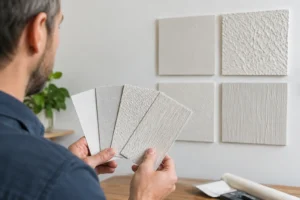
An eggshell or satin finish is usually the most practical choice. Eggshell gives walls a soft, low-sheen appearance while offering better cleanability than flat paint. Satin has a little more sheen and stands up well in hallways, playrooms, rental suites, and high-traffic spaces. Flat paint can hide minor drywall imperfections, but it is harder to wash and may show marks more quickly.
Bare concrete or concrete block walls
Masonry walls need paint designed specifically for masonry. A quality masonry paint or breathable acrylic coating can protect the surface while allowing a limited amount of vapor to pass through. This matters because concrete is porous. It can hold and release moisture long after a rainstorm or seasonal thaw.
Avoid treating waterproofing paint as a cure-all. Thick waterproof coatings may be appropriate for certain sound, dry masonry surfaces, but they cannot stop active water intrusion, foundation cracks, or poor drainage around the home. When water pressure is pushing moisture through a wall, paint may blister or detach regardless of how many coats are applied.
Before painting concrete, check for white, powdery deposits called efflorescence. This is a sign that moisture has carried minerals to the surface. Clean it thoroughly, allow the wall to dry, and determine why it is occurring before applying a coating.
Previously painted basement walls
Previously painted walls should be tested before repainting. If the old coating is firmly attached and in good condition, cleaning and a compatible primer may be enough. If it is chalky, peeling, glossy, stained, or patchy, more preparation is required.
A simple adhesion check can reveal a lot. Press strong painter’s tape onto several areas of the wall, then pull it away. If paint comes off with the tape, loose material needs to be scraped and sanded before priming. Painting over failing layers only hides the issue temporarily.
Moisture Comes Before Paint
No paint product can make an actively damp basement dry. Before choosing a finish, inspect the room for musty odors, visible staining, peeling paint, damp corners, rusted metal, condensation on pipes, or mold growth. These signs do not always mean there is a major foundation problem, but they do mean the painting scope should include a closer assessment.
Start outside when possible. Clogged gutters, short downspouts, negative grading, and water pooling near the foundation are common contributors to basement moisture. Inside, a dehumidifier, proper ventilation, insulated cold-water pipes, and consistent heating can reduce humidity and condensation.
If there is active leaking, widespread mold, or a wall that stays damp to the touch, pause the painting project. The cause should be repaired and the area should dry fully before surface preparation begins. A durable finish depends on a stable, dry substrate.
Primer Is Not an Optional Shortcut
Primer creates the bond between the wall and the finish coat. It also helps produce more even color and sheen, especially after drywall repairs or stain removal. The right primer depends on what is underneath the paint.
For new drywall and joint compound, use a quality drywall primer or PVA primer. It seals porous repairs so they do not absorb paint differently from the rest of the wall. For walls with water stains, smoke discoloration, tannin bleed, or persistent odors, a stain-blocking primer is a better choice. Standard wall paint may cover a stain at first, but it may reappear later.
Concrete usually benefits from a masonry-compatible primer, particularly if it is bare, patchy, or highly porous. The manufacturer’s coating system matters here. A masonry primer and finish paint designed to work together are more dependable than combining products at random.
Preparation Determines How Long the Finish Lasts
A clean, repaired, and properly primed wall gives paint the conditions it needs to perform. Skipping preparation is one of the most common reasons basement painting jobs fail early.
Begin by moving furniture away from the walls and protecting floors, trim, and mechanical equipment. Wash dirty areas with an appropriate cleaner, especially around laundry spaces, utility rooms, and frequently touched walls. Remove loose paint with a scraper, then sand rough edges so repairs blend into the surrounding surface.
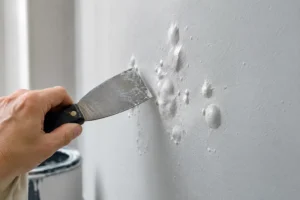
Patch nail holes, dents, cracks, and minor drywall damage with the right compound. Larger holes, damaged corners, water-softened drywall, or recurring cracks may require more substantial repair. Once patches are dry, sand them smooth, remove dust, spot-prime as needed, and inspect the wall under good lighting before applying finish paint.
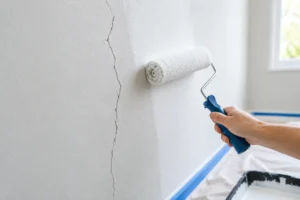
For concrete, clean away dust, dirt, efflorescence, and loose coating. Repair small cracks with a masonry-compatible patching material. Hairline cracks are common, but larger cracks, movement, or repeated water entry should be evaluated before coating the wall.
Choose a Finish That Fits How the Basement Is Used
The best color and sheen depend on the room’s purpose, not just current trends. Basements often receive less natural light, so light neutrals can help the space feel more open. Warm off-whites, soft greiges, muted greens, and pale blue-grays work well without making the room feel stark.
For a family room or finished lower level, eggshell paint offers a balanced, comfortable appearance. In a rental property, playroom, or basement entry area, satin is often worth the slight increase in sheen because it is easier to wipe clean. Semi-gloss is generally best reserved for trim, doors, cabinets, and areas that need frequent cleaning. On broad walls, it can highlight uneven drywall seams and surface flaws.
If you are painting an unfinished storage or utility area, appearance may matter less than durability and brightness. A light-colored masonry coating can improve visibility, but it should only be applied after moisture concerns have been ruled out.
Common Basement Paint Mistakes to Avoid
The most expensive mistake is painting over a moisture problem. The second is choosing a coating that does not match the surface. Interior wall paint is not intended for bare concrete, and heavy waterproofing products are not a substitute for repairing drainage or foundation issues.
Another common issue is rushing dry times. Basements can be cool and humid, which slows drying and curing. Follow the product directions, maintain reasonable airflow, and avoid recoating too soon. Paint that feels dry to the touch may still be curing beneath the surface.
Finally, do not underestimate repairs. A new paint color can improve a basement dramatically, but it also draws attention to uneven patches, cracked corners, nail pops, and poorly sanded drywall. Thorough preparation creates the clean, finished look homeowners, tenants, and buyers notice.
A basement painting project should leave the space brighter, cleaner, and easier to maintain – not create another problem to solve next season. When the walls are dry, properly repaired, primed for the surface, and finished with the right coating, the result is built to last.