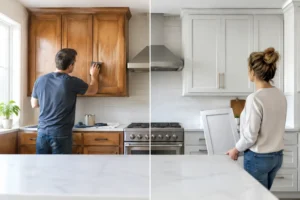
A kitchen can feel dated long before it stops working. Scuffed doors, worn finishes, yellowed oak, and chipped paint can make the entire room look tired. When weighing refinishing versus replacing cabinets, the right answer depends less on trends and more on what is behind the cabinet doors: the condition of the boxes, the layout, your budget, and how long you plan to stay in the home.
Replacing cabinets can transform a kitchen, but it is not always necessary. If the existing cabinets are structurally sound, professional refinishing may deliver the clean, updated appearance you want with less disruption, less waste, and a more manageable project scope.
Refinishing Versus Replacing Cabinets: Start With Condition
Cabinet refinishing works best when the cabinet boxes are solid, properly attached, and free from significant water damage. Open a few doors and drawers before making a decision. Look for swollen particleboard, soft areas under the sink, loose frames, sagging shelves, damaged drawer slides, or deep cracking around hinges. These are signs that cosmetic work alone may not solve the real problem.
Solid wood cabinets and well-built plywood cabinet boxes are often excellent candidates for refinishing. Even older cabinetry can have strong construction that outperforms some lower-cost replacement options. A professional assessment can determine whether surface preparation and repair will create a durable result or whether replacement is the more practical investment.
Refinishing is also a strong choice when you like your current kitchen layout. If appliances, countertops, storage, and traffic flow already work for your household, changing the cabinet color or finish can dramatically improve the room without turning it into a full renovation.
Replacement makes more sense when the layout itself is frustrating. If you need additional storage, wider drawers, a pantry, better accessibility, or a different island configuration, new cabinets may be the better path. Painting existing cabinetry cannot create more space or correct a design that no longer supports how you use the room.
When Cabinet Refinishing Is the Better Value
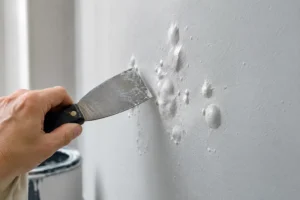
Refinishing typically involves detailed cleaning, degreasing, sanding or surface scuffing, repair of minor dents and chips, priming, and application of a cabinet-grade finish. The preparation matters as much as the paint. Kitchen cabinets collect grease, oils, cleaning-product residue, and fingerprints that can interfere with adhesion if they are not properly addressed.
For homeowners who want a current look without removing functional cabinetry, refinishing offers several practical advantages.
First, it preserves a large portion of the existing kitchen. Cabinets stay in place, which can reduce the need to disturb countertops, backsplashes, flooring, plumbing, and electrical connections. That smaller scope often means less mess and a shorter period of disruption in a room your household uses every day.
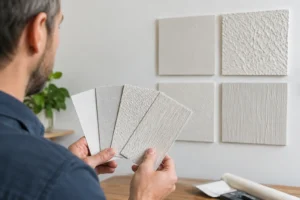
Second, refinishing can make dated materials feel intentional again. Honey oak, dark espresso finishes, faded white paint, and worn stained cabinets can be updated with a carefully selected color. Soft white, warm greige, deep blue, charcoal, and muted green are popular choices, but the best finish should also suit the room’s lighting, countertops, wall color, and surrounding trim.
Third, refinishing can be especially useful for a rental turnover or pre-sale improvement. A clean, professionally finished cabinet surface can help a kitchen photograph better, feel better maintained, and make a stronger first impression without committing to an extensive remodel.
That said, refinishing is not simply a quick coat of wall paint. Cabinets need a hard-wearing finish designed for frequent contact, cleaning, moisture, and repeated opening and closing. Skipping prep work or using the wrong product can lead to peeling near handles, chipped edges, visible brush marks, and an uneven sheen.
Refinishing Has Limits
A new color will not hide every flaw. Deep veneer damage, extensive water staining, badly worn edges, warped doors, and failing hardware may require repairs beyond standard refinishing. In some cases, replacing cabinet doors while refinishing the boxes can be a sensible middle-ground option, particularly if the cabinet frames are still in good shape.
Refinishing also will not change door style. A fresh paint color can modernize raised-panel doors, but it will not turn them into a flat-panel or shaker-style design. For some homeowners, that is completely acceptable. For others, the door profile is the main reason they want a new kitchen.
When Replacing Cabinets Is Worth It
Cabinet replacement is usually the stronger choice when existing cabinetry has major structural issues or no longer serves the property. Water damage around sinks, long-term pest damage, deteriorated particleboard, failing drawer systems, and cabinets that are pulling away from the wall are problems that should not be covered with a new finish.
Replacement can also be the right decision during a larger renovation. If you are moving walls, replacing flooring throughout the kitchen, changing countertop dimensions, relocating appliances, or adding an island, it may be more efficient to plan cabinetry as part of the whole project rather than work around the existing layout.
New cabinets provide more flexibility in storage design. You can choose deeper drawers, pull-out shelves, trash pullouts, corner solutions, appliance garages, and specialized organizers that may not fit within older cabinet boxes. This can be valuable in a busy family kitchen or a property where better function supports long-term resale appeal.
The trade-off is that replacement usually affects more than the cabinets themselves. Countertops may need to be removed or replaced. Backsplash repairs, flooring transitions, appliance adjustments, plumbing work, and electrical updates can become part of the scope. What begins as a cabinet project can quickly become a full kitchen renovation, with a longer timeline and more decisions to manage.
Consider Your Budget Beyond the Initial Price
The cost difference between refinishing and replacing cabinets is significant, but the lowest upfront cost is not always the best value. A professionally refinished cabinet system can provide years of service when the underlying materials are sound and the work includes proper preparation, repair, and durable coatings.
On the other hand, spending money to refinish cabinets with damaged boxes or failing doors can create a short-term improvement that still leaves you facing replacement later. The best financial choice is the one that matches the cabinet’s remaining service life.
It also helps to consider the surrounding finishes. If your countertops, backsplash, flooring, and lighting are staying, refinishing may be the more cohesive approach. If every major element is being updated, replacement may give you more freedom to create a coordinated design from the start.
For landlords and property managers, durability and ease of maintenance often matter more than a highly customized look. A neutral, professionally refinished cabinet finish can be easier to maintain between tenants than a full renovation, provided the cabinets are stable and functional. For sellers, the decision should be tied to the local market and the overall condition of the home. Buyers may appreciate a refreshed kitchen, but an expensive replacement project does not always return its full cost at sale.
Choose a Finish That Fits How You Live
Painted cabinets are popular because they can completely change the mood of a kitchen. They work well for covering uneven stain color, modernizing dated wood tones, and creating contrast between upper and lower cabinets. Lighter colors can help smaller kitchens feel more open, while darker lower cabinets can add definition without making the room feel closed in.
Staining may be the better choice when the wood grain is attractive and the goal is restoration rather than a complete color change. A new stain and protective topcoat can revive cabinets that look dry, faded, or scratched while preserving the character of natural wood.
Whichever direction you choose, consider cleaning habits, sunlight, household traffic, and hardware. Matte or satin finishes are often more forgiving than high-gloss surfaces. Handles and pulls can reduce wear on painted door edges, while quality hinges and drawer hardware help refreshed cabinets feel as good as they look.
A Professional Assessment Prevents Expensive Guesswork
Before committing to a cabinet project, have the cabinets evaluated for adhesion concerns, previous coatings, surface damage, moisture exposure, and repair needs. Clear scope matters. You should know whether the work includes cleaning, masking, sanding, priming, repairs, hardware removal, coating application, and final touch-ups.
At Qpainting Services, cabinet painting is approached as a surface-preparation and finishing project, not a shortcut. Clear upfront pricing, careful protection of the surrounding space, and a final walkthrough help ensure the finished cabinets meet the expectations set at the estimate.
The most useful question is not whether refinishing or replacement is universally better. Ask whether your existing cabinets are worth preserving. If they are sound, functional, and suited to your layout, a durable new finish can give your kitchen a meaningful refresh without unnecessary renovation. If they are damaged or holding the room back, replacement may be the better foundation for the home you want next.