A popcorn ceiling can make an otherwise well-maintained room feel dated, collect dust in hard-to-reach places, and complicate repairs after leaks or cracks. The right popcorn ceiling alternatives can do more than modernize the room. They can improve light reflection, make future touch-ups easier, and give the ceiling a finish that fits the rest of the home.
The best choice depends on the ceiling’s current condition, the room’s purpose, and how much preparation the surface requires. A simple cosmetic update may be enough in a rental turnover, while a main living area or pre-sale renovation may justify a cleaner, more refined finish.
Start With the Ceiling You Have
Before choosing a new finish, assess what is underneath the popcorn texture. A ceiling with only minor staining or a few hairline cracks may be a good candidate for removal and skim coating. If the surface has extensive patching, uneven drywall seams, old water damage, or significant movement, installing new drywall or a covering system may deliver a more dependable result.
Age matters, too. Some older textured ceiling materials may contain asbestos. Do not sand, scrape, drill into, or disturb an older popcorn ceiling until it has been assessed and, when appropriate, professionally tested. This step protects the people in the home and determines the safest scope of work.
Ceiling height also affects the decision. A new drywall layer, wood paneling, or coffered detail reduces headroom. That may not matter in a tall great room, but it can be noticeable in a basement, hallway, or lower-ceiling bedroom.
7 Popcorn Ceiling Alternatives for a Cleaner Look
1. Smooth Drywall Ceiling
A smooth, painted drywall ceiling is the most common replacement for popcorn texture, and for good reason. It creates a clean backdrop that works with nearly any style, from traditional homes to more contemporary interiors. A flat ceiling paint is typically used to soften glare and conceal minor surface variation.
The trade-off is preparation. Smooth ceilings reveal imperfections more readily than textured ones, especially near windows or in rooms with strong overhead lighting. Proper drywall repair, taping, sanding, priming, and multiple finish coats are what make the final surface look even rather than patchy.
2. Skim-Coated Ceiling
Skim coating is a practical choice when the existing ceiling is structurally sound but needs a fresh, level surface after popcorn removal. A thin layer of joint compound is applied across the ceiling to fill low areas and create a smooth finish before priming and painting.
This approach can preserve ceiling height and often costs less than replacing all the drywall. It is not the best answer for every ceiling, however. Deep damage, loose drywall, or major unevenness may require more repair work than a skim coat alone can reasonably solve.
3. New Drywall Over the Existing Ceiling
Installing new drywall over an existing popcorn ceiling can be a smart option when removal would be unusually messy, risky, or time-consuming. The new surface covers the old texture and provides a fresh plane for finishing. It can also make it easier to address visible seams, previous repairs, and stubborn texture that is difficult to remove cleanly.
This option requires careful planning around light fixtures, vents, crown molding, door trim, and ceiling height. The installation must be properly secured to framing, not simply attached to the existing ceiling material. It is a more involved project, but it can produce a very consistent result.
4. Knockdown or Light Textured Finish
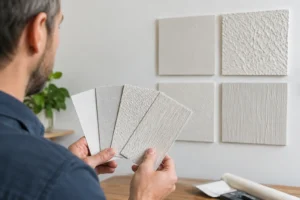
Not every homeowner wants a perfectly smooth ceiling. A light knockdown texture adds subtle visual interest while hiding minor surface inconsistencies better than a flat finish. It is far less dramatic than classic popcorn and is generally easier to repaint or repair.
Texture can be useful in high-traffic rentals, hallways, or rooms where a completely smooth ceiling would require extensive correction. The key is restraint. Heavy texture can quickly feel dated again, while a lighter, controlled finish offers durability without dominating the room.
5. Beadboard or Tongue-and-Groove Panels
Beadboard and tongue-and-groove ceiling panels bring warmth and architectural character to kitchens, bathrooms, porches, cottages, and traditional-style homes. Painted white, they can brighten a room while giving the ceiling more definition than plain drywall.
This is not simply a cover-up solution. Panel layout, fastening, trim details, and transitions around fixtures all affect the finished appearance. In moisture-prone rooms, material selection and proper paint coverage are especially important. Wood-based products need protection from humidity, while PVC options may be more suitable in certain bathroom settings.
6. Coffered or Box-Beam Ceiling Details
A coffered ceiling uses a grid of beams or trim to create recessed panels. It is a strong design choice for dining rooms, offices, formal living rooms, and larger primary bedrooms where the ceiling height supports added detail. It can also make a wide room feel more proportioned and intentional.
Because this finish is more decorative, it comes with a higher labor and material investment than a smooth painted ceiling. It may not suit a small room with low ceilings, where the added depth can feel heavy. When the proportions are right, though, it can become one of the most valuable visual upgrades in the space.
7. Ceiling Tiles or Decorative Panels
Surface-mount ceiling tiles and decorative panels are available in many styles, including simple white designs, pressed-metal looks, and contemporary geometric patterns. They can be useful for basements, laundry rooms, home offices, and spaces where access to wiring or ceiling conditions makes drywall work less appealing.
Quality varies widely. Low-cost panels can look thin or become difficult to clean, while better products provide a more convincing finish and greater durability. A careful layout matters here, particularly at ceiling edges and around light fixtures. Uneven cuts or poorly planned seams can undermine the entire update.
Match the Finish to the Room
The most practical popcorn ceiling alternative is not always the most decorative one. In a bedroom or living room, a smooth painted ceiling often delivers the broadest appeal and makes the space feel brighter. In a basement, a light texture or ceiling panel system may be more forgiving if the existing surface has minor irregularities.
For rental properties, prioritize durable materials and finishes that can be cleaned, patched, and repainted without creating a major maintenance project. For sellers preparing a home for the market, a smooth neutral ceiling can help rooms feel updated without forcing buyers to picture an immediate renovation.
Bathrooms and kitchens require additional thought. Moisture, steam, and cooking residue call for proper surface preparation and a paint product suited to the environment. A finish that looks good on day one but peels or stains within a year is not a cost-effective improvement.
Preparation Determines the Final Result
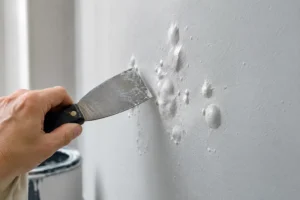
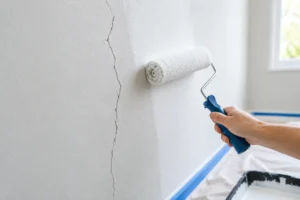
A ceiling project can look straightforward from the floor, but much of the workmanship is in the preparation. Furniture and floors need protection, fixtures may need removal or masking, and damaged drywall must be repaired before the finish work begins. Stains from past leaks should be resolved at the source, then sealed so they do not bleed through new paint.
Dust control deserves attention as well. Removing textured material and sanding joint compound can affect the entire room if containment and cleanup are not handled carefully. A professional crew should explain how the space will be protected, what repairs are included, and how long each stage will take before work starts.
At Qpainting Services, that planning begins with a clear assessment of the ceiling condition and the desired finish. The goal is to recommend a scope that makes sense for the property, rather than treating every popcorn ceiling as the same project.
Plan for a Finish You Can Maintain
Once the new ceiling is complete, use the right paint sheen and keep a small amount of labeled touch-up paint on hand. Flat paint is popular for ceilings because it minimizes reflection, but it can be harder to clean than a washable finish. In rooms that see moisture or frequent activity, the right product selection can make future maintenance much easier.
A well-finished ceiling should not call attention to itself through visible patches, uneven texture, or premature peeling. Whether you choose smooth drywall, subtle texture, or a more architectural treatment, the best result is one that fits the room, holds up to daily use, and lets the rest of the home feel more finished.