A rental can look tired long before it is truly worn out. Scuffed entry walls, patched nail holes, grease around kitchen switches, and a mismatched touch-up can make prospective tenants question how well the property has been maintained. The right rental repainting examples show that a refresh is not just about applying a new coat. It is about choosing the appropriate scope, repairing surfaces properly, and finishing the unit so it is ready for the next stage of occupancy.
For landlords and property managers, the best approach depends on the unit’s condition, tenant timeline, and long-term maintenance plan. A full repaint is sometimes the smart investment. In other cases, targeted repairs and carefully blended paint offer a more efficient result. The goal is the same: a clean, durable finish that supports rental value without creating unnecessary downtime.
Rental Repainting Examples for Common Turnovers
Example 1: The fast turnover with clean, neutral walls
A one-bedroom apartment has been occupied for two years. The walls are generally in good condition, but there are handprints near doors, a few picture-hook holes, and scuffing along the hallway and baseboards. The tenant has moved out, and a new lease begins in ten days.
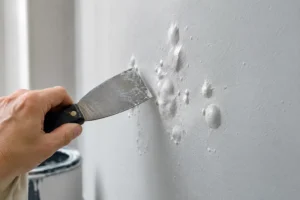
This is a good candidate for a focused turnover repaint. The work may include washing the walls, filling small holes, sanding repairs smooth, spot-priming patched areas, and repainting the hallway, living room, and bedroom in the existing neutral color. Trim and doors can be cleaned and assessed separately, since repainting every surface is not always necessary.
The key is color consistency. A wall touched up with paint from an old can may flash or show a different sheen, even when the label appears to match. Recoating the full wall, from corner to corner, usually creates a more uniform result. In a well-maintained unit, this approach keeps costs controlled while giving incoming tenants a noticeably fresher space.
Example 2: The unit with tenant-selected colors
A tenant has painted one bedroom navy blue, added a warm terracotta accent wall in the living room, and used a dark gray in the dining area. The colors may have suited the tenant’s furniture, but they can make the unit feel smaller or less flexible to a prospective renter.
A full repaint in a consistent neutral palette is typically the better choice. Dark colors often require additional coats to cover evenly, particularly when moving back to an off-white, soft gray, or warm beige. Proper primer may be needed before the finish coats, especially over saturated colors or areas with uneven prior touch-ups.
This type of project is also the time to inspect wall condition closely. Accent walls can hide nail holes, adhesive damage, and poorly repaired anchors. Taking care of those repairs before painting prevents a new neutral finish from highlighting old damage. A consistent color scheme also makes future touch-ups and partial repaints easier to manage.
Example 3: The kitchen and bath refresh
Not every rental repainting project involves every room. In some units, the living areas remain in good shape while the kitchen and bathroom show heavier wear. Cooking residue, moisture, cleaning products, and frequent contact can dull paint and create staining around cabinets, backsplashes, vents, and light switches.
A targeted kitchen and bathroom repaint begins with surface cleaning and preparation. Paint will not adhere well over grease, soap residue, or loose material. Small drywall repairs around towel bars, cabinet hardware, and old wall anchors should be completed before priming and painting.
For these areas, durability matters more than choosing the flattest possible finish. A washable, moisture-appropriate paint finish can make routine cleaning easier and reduce premature wear. Cabinet painting may also be worth considering if the cabinet boxes are structurally sound but the finish is dated or chipped. It costs less than replacing usable cabinetry and can significantly improve how the rental photographs and shows.
Example 4: The neglected move-out with wall damage
A longer tenancy can leave behind more than ordinary scuffs. Common issues include dents from furniture, drywall damage from removed shelving, peeling paint around windows, stains, damaged baseboards, and old repairs that were never sanded flush.
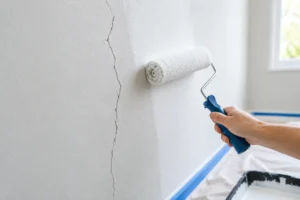
Here, paint should be the final stage of the job, not the first. Loose drywall paper needs to be stabilized. Larger holes may require patching and reinforcing. Cracks should be evaluated rather than simply covered, particularly if they continue along a seam or near a door frame. Water staining requires identifying and addressing the moisture source before applying a stain-blocking primer and finish paint.
A full repaint is often the most dependable option after widespread repair work. It produces an even sheen and avoids the patchwork appearance that can occur when several repaired areas receive spot treatment. For a rental owner, this is also an opportunity to repaint trim, doors, and baseboards where impacts and cleaning damage are most visible.
Choosing Colors That Work Between Tenants
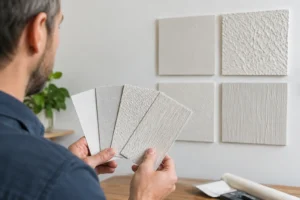
A rental color plan should make the space feel clean, bright, and easy to personalize. That does not mean every property needs stark white walls. Very bright white can feel cold under certain lighting, and it may show marks quickly in high-traffic areas. A soft white, light greige, pale taupe, or restrained gray often provides more forgiveness while still appealing to a wide range of tenants.
Consistency is usually more valuable than chasing a trend. Keeping the same wall color across multiple units, or at least within one property, simplifies future repairs and reduces the chance of mismatched paint. Recording the paint brand, color name, finish, and room locations gives owners a practical maintenance reference for the next turnover.
Ceilings, trim, and doors deserve their own plan. A clean white ceiling can make a room feel taller, while a durable trim finish helps entryways, halls, and bedrooms stand up to routine use. If doors are marked, yellowed, or heavily chipped, repainting them can make an older rental feel more cared for without changing the layout or fixtures.
Preparation Is What Makes the Finish Last
The difference between a quick coat and a professional repaint is usually found in the preparation. Walls need to be cleaned, damaged areas repaired, and glossy or unstable surfaces addressed before new paint is applied. Skipping these steps can lead to visible patches, peeling, rough textures, and inconsistent sheen.
Occupied rental painting requires additional planning. Tenants may need clear notice, room-by-room scheduling, and protection for floors and belongings. A staged approach can reduce disruption, but it may take longer than painting an empty unit. When the vacancy window is short, an empty-unit repaint can be completed more efficiently because painters can access walls, trim, and ceilings without moving around furniture.
It also helps to distinguish normal wear from damage that requires repair. Minor scuffs and fading may call for repainting as part of regular turnover maintenance. Large holes, unauthorized wall treatments, or extensive staining may require more involved work. Clear documentation before work begins helps owners understand the scope and make fair, informed decisions.
When a Partial Repaint Is Enough
A partial repaint makes sense when the existing paint is recent, the color can be matched accurately, and damage is limited to a few defined areas. Hallways, entry walls, a single bedroom, or a lower wall section damaged by furniture can often be refreshed without repainting the entire unit.
However, partial work has limits. Sun exposure, cooking residue, smoke, aging, and repeated cleaning can shift paint color over time. Even the correct paint may look different beside an older surface. If the mismatch will be noticeable during a showing, repainting the full wall or room is the more polished decision.
At Qpainting Services, a rental repaint can include the preparation work that makes the finished result hold up: drywall repair, trim and door painting, cabinet refinishing, wallpaper removal, and ceiling updates when the condition calls for more than a basic wall refresh. A clear scope before the work starts helps avoid surprises and keeps turnover planning on track.
A rental does not need dramatic design changes to make a stronger impression. Clean repairs, consistent colors, smooth walls, and durable finishes send a simple message to the next tenant: this property is maintained with care.