A fresh coat of paint can change how buyers read a property within the first few minutes of a showing. Scuffed walls, strong personal colors, and mismatched finishes can make a well-kept home feel like a project. The best colors for home resale help rooms look clean, bright, and easy to move into without making the home feel bland or unfinished.
For sellers, landlords preparing a turnover, and homeowners planning ahead, paint is often one of the most practical improvements available. It can refresh worn surfaces, cover dated color choices, and create a more consistent look from room to room. The goal is not to make every space look identical. It is to choose colors that let the home’s light, layout, flooring, and condition make a strong first impression.
Best Colors for Home Resale Start With Warm Neutrals
Neutral does not have to mean stark white or flat gray. The most reliable resale colors usually have a subtle warmth that makes a room feel comfortable while still allowing buyers to picture their own furniture and décor in the space.
Soft off-white, light greige, warm beige, and muted taupe are dependable choices for main living areas. These shades work especially well in hallways, living rooms, dining rooms, and bedrooms because they reflect light without creating the cold look some bright whites and blue-based grays can create.
A light warm neutral also helps connect rooms with different flooring or exposure to daylight. In homes with hardwood, beige tile, cream countertops, or warmer trim, a paint color with a hint of warmth usually feels more intentional than a cool gray. In properties with abundant natural light and modern finishes, a pale neutral with a balanced gray undertone may be the better fit.
The right choice depends on what is already staying in the home. Paint should support fixed features, not fight them. Before selecting a color, look at the flooring, cabinetry, countertops, tile, brick, and trim in both daylight and evening light.
Why Pure White Is Not Always the Safest Choice
Pure white can look sharp in a newly renovated home with clean lines, white trim, and plenty of natural light. But it can also expose wall imperfections, make older finishes look yellowed, and leave a room feeling clinical. In a home with textured ceilings, worn trim, or limited daylight, a soft white is usually more forgiving.
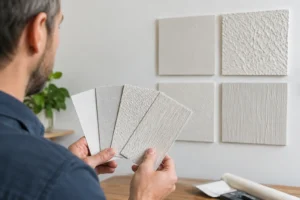
For resale, it is wise to avoid choosing a white based only on a small paper swatch. White paint changes dramatically from one room to another. A professional test area can reveal whether the shade looks clean and welcoming or too cool against the rest of the space.
Choose Colors Room by Room, Not One Rule for the Whole House
A cohesive palette matters, but every room has a different job. Buyers want bedrooms to feel restful, kitchens to feel clean, and bathrooms to feel well maintained. Using one color throughout the house can work, yet a few controlled changes can give the property more depth.
Living Rooms, Hallways, and Entryways
These spaces benefit from light, adaptable neutrals. Warm off-white, light greige, and soft taupe make furniture placement and décor feel flexible. They also help narrow hallways and smaller entryways appear more open.
If the home has an accent wall in a strong red, dark purple, bright teal, or saturated yellow, repainting is often worthwhile before listing. Those colors are not necessarily unattractive, but they create a specific style preference that can distract buyers from the room itself.
Bedrooms
Primary and secondary bedrooms should feel calm and easy to personalize. Soft beige, gentle gray-beige, and muted blue-gray can work well when they complement the home’s overall palette. In most cases, keeping bedrooms lighter than the flooring helps them feel more spacious.
Children’s bedrooms are a common pre-sale paint project. Bright pink, navy, lime green, sports-team colors, and themed murals may suit the current household, but neutralizing the walls helps a buyer see the room as an office, nursery, guest room, or bedroom for their own family.
Kitchens and Cabinets
Kitchens carry a lot of visual weight during a showing. If walls are in good condition, a light neutral can be enough to refresh the room. When cabinets are solid but dated, professional cabinet painting can provide a much larger visual improvement than wall paint alone.
White, soft cream, warm light gray, and restrained greige cabinet finishes tend to have broad appeal. The best choice depends on countertop and backsplash colors. Bright white cabinets can clash with cream tile or warm laminate counters, while a soft warm white can tie the room together more naturally.
Cabinet painting requires more than applying a new color. Surface cleaning, sanding, repairs, appropriate primers, and durable finish products affect how the cabinets look and wear. Buyers notice peeling edges, brush marks, and paint sticking around hardware just as quickly as they notice a fresh color.
Bathrooms
Bathrooms benefit from colors that read as clean and maintained. Soft white, pale greige, light warm gray, and very pale blue can work well. Dark or heavily saturated bathroom walls can make a small room feel tighter, particularly when the lighting is limited.
If the bathroom has dated wallpaper, damaged drywall, stained caulking, or peeling paint, address those conditions before repainting. A good finish begins with surface preparation. Covering a moisture issue without correcting it may create a short-term improvement, but it will not hold up through showings, inspection, and future use.
Use Dark Colors Carefully for Resale
Dark paint can be effective in the right place. A charcoal dining room, deep green powder room, or navy feature wall may add character to a well-styled property. The trade-off is that dark shades show scuffs, require better lighting, and can make modest rooms feel smaller.
For most resale projects, dark colors should be used with purpose rather than applied broadly. They work best when the room has architectural interest, strong natural light, or a clear focal point. A dark wall behind a fireplace or in a powder room may feel polished. A dark color across several small rooms may feel heavy and create more repainting work for the buyer.
If a seller wants contrast without committing to dark walls, consider a deeper color on an interior door, built-in shelving, or a carefully selected accent area. These details can add definition while keeping the main surfaces open and flexible.
Do Not Overlook Trim, Doors, and Repairs
Wall color matters, but buyers also notice the details that frame the room. Yellowed trim, chipped baseboards, marked doors, and cracked drywall can make even a good wall color look incomplete. A consistent trim finish gives a home a cleaner, more cared-for appearance.
White trim remains the most common choice because it works with nearly every neutral wall color. The key is consistency. If some doors are cream, others are bright white, and the baseboards are visibly worn, the home can feel pieced together. Repainting trim and doors may be especially valuable in older homes or rental properties with years of touch-ups.
Preparation is where a professional painting project earns its value. Nail holes, dents, corner damage, tape residue, wall anchors, and uneven previous repairs should be corrected before the finish coat goes on. Good paint cannot hide every surface problem. Careful drywall repair, sanding, priming, and clean cut lines create the result buyers associate with a well-maintained home.
A Practical Pre-Listing Paint Plan
Not every property needs a full repaint. Focus first on high-visibility spaces and surfaces that look worn. Entryways, main living areas, hallways, kitchens, bathrooms, and the primary bedroom often provide the strongest return because buyers spend the most attention there.
Walk through the home as if you are seeing it for the first time. Look for strong personal colors, visible wall damage, inconsistent finishes, and areas where paint has faded or become glossy from repeated cleaning. Then consider whether a targeted refresh will achieve the same result as painting every room.
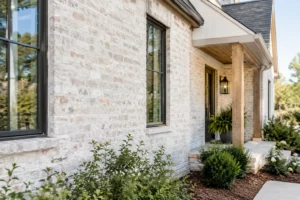
For exterior areas, curb appeal deserves the same careful approach. A clean front door, refreshed trim, and properly maintained deck or fence can support a strong first impression. Exterior color decisions should account for brick, siding, roofing, and neighborhood character. A trendy shade that conflicts with those fixed elements can work against the property.
A qualified painting contractor can help assess which surfaces need repair, which colors fit the home’s finishes, and where your budget will have the most visible impact. Qpainting Services approaches pre-sale painting with clear upfront pricing, detailed preparation, minimal disruption, and a final walkthrough to confirm the finish meets expectations.
Before listing, choose colors that make the property feel cared for rather than overly decorated. A warm, well-prepared neutral palette gives buyers room to imagine their next chapter there, and that is often more persuasive than any bold paint trend.