A vacant unit can look ready at first glance, then reveal nail holes, scuffed baseboards, stained ceilings, and wall patches once the furniture is gone. A clear rental turnover repainting guide helps landlords and property managers make the right calls quickly: what needs repair, what deserves a full repaint, and where a targeted touch-up is enough.
The goal is not simply to make a unit look freshly painted. It is to protect the property, support the next lease, and complete the work without allowing avoidable vacancy days to pile up. Good preparation and a defined scope are what keep a turnover painting project on schedule and prevent surprise costs after work has started.
Start With a Room-by-Room Condition Review
Walk the unit in good lighting before choosing paint colors or booking painters. Photograph every room, including ceilings, trim, doors, closets, hallways, and high-traffic areas. This creates a practical record of the condition and makes it easier to separate ordinary wear from damage that may require repair.
Look beyond visible scuffs. Walls can carry odors from smoke, pets, or cooking. Bathrooms may have peeling paint from poor ventilation, while window areas can show staining caused by condensation or a moisture issue. A new coat of paint can improve appearance, but it will not solve a leak, mold concern, loose drywall tape, or recurring humidity problem. Those underlying issues should be addressed first.
Decide Between Touch-Ups and Full Repainting
Touch-ups can save time when the existing finish is relatively new, the original paint is available, and fading has been minimal. They work best for small, isolated marks in low-visibility areas.
A full repaint is usually the better investment when walls have widespread marks, color variation, patched areas, smoke residue, or an unknown paint history. Even if the paint color is matched, differences in sheen, application method, and wall aging can make spot repairs stand out. In a vacant rental, visible touch-up patches can make an otherwise clean unit feel poorly maintained.
For most turnover projects, repainting the main living areas and bedrooms creates a more consistent result than chasing individual marks. Trim, doors, and closets may need separate assessment. A durable wall finish can still look tired if the doors are yellowed, the baseboards are chipped, or the closet interiors have stains.
Define the Scope Before Work Begins
The fastest way to lose control of a turnover schedule is to treat painting as a single line item. Surface preparation often determines both the quality of the result and the actual cost. A clear scope should identify which rooms will be painted, the surfaces included, repairs required, paint finish, colors, and any areas that need specialty work.
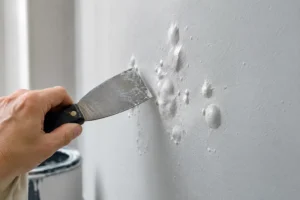
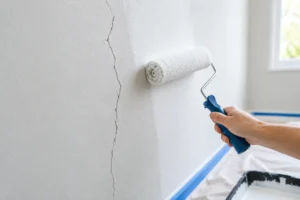
Drywall repair is a common turnover need. Small nail holes are routine, but larger anchor holes, dents, cracked corners, popped fasteners, and damaged drywall require more than a quick coat of paint. Repairs should be filled, sanded smooth, primed where needed, and checked under proper lighting before the final coat goes on.
Ceilings deserve attention as well. Water stains, peeling areas, and discolored patches often need stain-blocking primer before repainting. Skipping that step can allow a stain to bleed back through a new finish, creating another repair call after the tenant has moved in.
It also helps to decide early whether the project includes trim, doors, cabinets, or wallpaper removal. These services affect labor, drying time, and sequencing. They should not be treated as last-minute add-ons if the goal is to have the unit ready for showings on a fixed date.
Choose Colors and Finishes That Hold Up
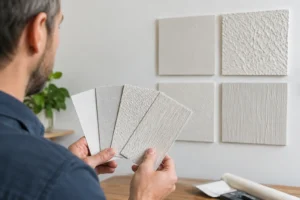
Rental paint should be selected for maintenance, not just appearance. Neutral colors tend to make rooms feel brighter, photograph well for listings, and simplify future touch-ups. Soft warm whites, light greiges, and restrained beige tones can work well, but the best choice depends on the unit’s flooring, fixed finishes, natural light, and overall condition.
Using one main wall color across several rooms can reduce material waste and make future maintenance easier. That does not mean every surface needs the same finish. Walls, trim, ceilings, doors, and cabinetry perform different jobs and should be coated accordingly.
For most rentals, a washable eggshell or satin finish is a practical choice for walls in living spaces, halls, and bedrooms. It offers more cleanability than flat paint while hiding minor surface variation better than glossier finishes. Kitchens, bathrooms, laundry rooms, and high-contact areas may benefit from a more moisture-resistant, washable coating. Semi-gloss is often suitable for trim and doors because it stands up well to cleaning, although it will reveal flaws if surfaces are not prepared carefully.
Paint quality matters, especially between tenants. A less expensive coating may look acceptable on day one but can scuff more easily, require extra coats for coverage, or make cleaning difficult later. The right product can reduce repeat maintenance, but there is still a trade-off. Higher-grade paint costs more upfront, so it makes the most sense on walls and trim that receive regular wear rather than on every low-traffic storage area.
Schedule the Work in the Right Order
A well-planned turnover is not just about painting quickly. It is about avoiding rework. If flooring, electrical repairs, plumbing repairs, cabinet work, or cleaning are also planned, establish the sequence before anyone starts.
Major repairs, drywall work, wallpaper removal, and ceiling repairs should come first. Painting typically follows once surfaces are dry, stable, and properly prepared. Flooring installation and other trades can sometimes be scheduled before painting, but those decisions depend on the materials involved and the protection plan. Freshly painted trim can be damaged easily during a rushed flooring install, while painting before new flooring can create risk from ladders, drips, and equipment.
Final cleaning should happen after the painting work is complete and fully dry. At that point, inspect the unit again under natural and artificial light. Check corners, ceilings, cut lines, repaired areas, doors, and trim. A professional final walkthrough is the right time to identify missed details, not after a new tenant has received the keys.
Keep Vacancy Time and Costs Under Control
Fast turnover does not mean cutting preparation. It means making decisions before the unit is empty and giving the contractor a complete picture of the work. If possible, schedule an assessment near the end of the outgoing tenancy so the project can begin soon after move-out and cleaning access is available.
Provide clear access information, parking details, building rules, and the desired completion date. If a unit has multiple rooms or recurring damage issues, an itemized estimate is especially useful. It should clarify whether drywall repairs, ceiling work, priming, trim painting, materials, and cleanup are included. Clear upfront pricing makes it easier to compare scope rather than comparing only a low starting number.
A few conditions commonly increase the cost or timeline of turnover painting:
- Extensive drywall damage, peeling tape, or failed previous repairs
- Smoke, pet odor, grease, or water staining that requires specialty primer
- Dark or bold colors that need additional coverage for a neutral finish
- Wallpaper removal, popcorn ceiling texture, or damaged trim and doors
None of these items automatically makes a project complicated, but each requires the right preparation. Addressing them properly is usually less expensive than receiving a complaint after move-in and repainting a room for a second time.
Know When a Professional Painter Adds Value
A landlord can handle a small touch-up, especially with accurate leftover paint and a well-maintained unit. A professional painting team becomes more valuable when the job involves multiple rooms, repairs, stains, ceiling issues, occupied common areas, short vacancy windows, or a finish that needs to stand up to frequent tenant turnover.
For property owners in St. Catharines and the Niagara region, Qpainting Services can assess the full scope instead of treating the job as walls only. That matters when drywall repair, door and trim painting, cabinet refinishing, wallpaper removal, or ceiling work must be coordinated into one turnover plan. A detailed estimate, organized scheduling, and final walkthrough give property owners a clearer path from move-out condition to a rental that is ready to show.
The best time to plan repainting is before the unit becomes urgent. Keep a record of paint colors and finishes, note recurring repairs, and inspect the property consistently between tenancies. When the next turnover arrives, those small records can turn a stressful vacancy into a controlled, well-finished reset for the next tenant.