A brown ceiling ring above the shower or a soft patch beneath a window can make an otherwise well-kept room feel neglected fast. So, can painters repair water damage? Often, yes – a qualified painting contractor can repair the visible damage to drywall, plaster, ceilings, trim, and paint. But the water source must be identified and corrected before any repair or repainting begins.
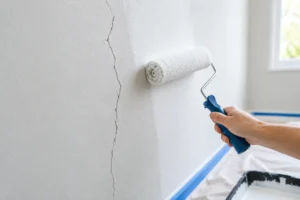
Painting over a water stain without addressing the leak is not a repair. The stain may return, paint can bubble or peel, and damp materials can continue to deteriorate behind the finished surface. A lasting result starts with a dry, stable surface and a clear understanding of what caused the damage.
Can Painters Repair Water Damage, or Just Cover It?
Painters can handle many of the surface repairs that follow a minor, resolved water issue. This may include removing loose paint, replacing or patching damaged drywall, repairing cracked joint compound, refinishing affected trim, sealing stains, and repainting the area so it blends with the rest of the room.
The scope depends on the condition of the material underneath. A small stain from a one-time plumbing drip may need only drying, stain-blocking primer, minor patching, and paint. A ceiling that is sagging, soft to the touch, or showing widespread discoloration may require drywall removal and replacement before it can be properly finished.
A professional painter should not simply promise to make the stain disappear. They should assess whether the surface is dry, sound, and ready for repair. If there is an active roof leak, plumbing issue, failed caulking around a tub, or moisture entering through an exterior wall, that issue should be resolved by the appropriate trade first.
What a Proper Water-Damage Paint Repair Includes
A clean paint finish is the final step, not the first. The preparation work is what determines whether the repair holds up.
First, stop the source and let the area dry
Before repairs begin, the source of water needs to be corrected. Depending on the situation, that could mean repairing a pipe, replacing a leaking appliance connection, fixing roof flashing, clearing a gutter issue, or resealing a shower enclosure.
Drying time varies. A small, isolated leak may dry quickly once airflow is restored, while wet insulation, framing, or drywall can hold moisture much longer. Painting damp drywall traps moisture and creates conditions for peeling, staining, and possible mold growth. If there is any doubt about moisture levels, the area should be checked before repair work moves forward.
Then, remove materials that cannot be saved
Drywall and ceiling texture can sometimes be repaired, but not always. If drywall has swollen, become soft, crumbled at the edges, or pulled away from the framing, replacement is usually the better option. Trying to skim-coat over weakened board may look acceptable briefly, but it will not provide a durable surface.
Sound drywall with a light stain can often be cleaned, lightly sanded, patched where needed, and prepared for primer. Water-damaged baseboards, door casings, and crown molding also need close attention. Solid wood trim may be repairable after drying, while MDF trim that has swollen along an edge often needs replacement.
Repair the surface before applying primer
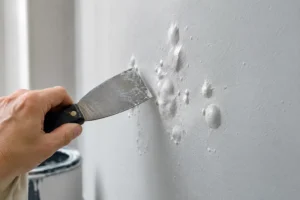
Once damaged material is removed, the repair area is rebuilt and leveled. New drywall is secured, seams are taped, and joint compound is applied in thin coats. Each coat must dry and be sanded carefully to create an even transition between the patch and the existing wall or ceiling.
This is particularly noticeable on ceilings, where side lighting can reveal every ridge and uneven edge. Careful drywall repair makes the difference between a patch that blends in and one that remains visible from across the room.
Seal stains with the right primer
Water stains can bleed through ordinary wall paint, even after several coats. A stain-blocking primer is designed to lock in tannins, mineral marks, and old water discoloration before the finish coat is applied.
Primer selection matters. The right product depends on the surface, the severity of staining, whether there was smoke or nicotine present, and the type of paint being used. Skipping this step can lead to a frustrating result: a freshly painted ceiling with a faint yellow ring reappearing weeks later.
Repaint for an even, durable finish
After the repaired area is primed, the surface can be painted. Matching the existing color is not always enough, especially on older walls exposed to sunlight, cooking residue, or normal wear. A spot repair may appear slightly different from the surrounding paint due to fading or changes in sheen.
In some cases, painting the full wall or entire ceiling is the most reliable way to achieve a uniform finish. A contractor can explain that trade-off upfront, so you can decide whether a localized repair or a full-surface repaint makes more sense for the room and budget.
When Water Damage Is Beyond a Painter’s Scope
A painter can restore the finish after the moisture issue is resolved, but certain conditions require additional help before painting can begin. Active plumbing leaks should be handled by a plumber. Roof leaks, damaged flashing, or failed exterior siding details may require a roofing or exterior repair professional. Significant flooding or water that has soaked multiple rooms may call for a water restoration company.
Mold is another reason to pause. Small surface mildew in a bathroom may be cleaned once humidity and ventilation are addressed. However, visible mold growth across a larger area, a persistent musty odor, or suspected contamination inside walls should be assessed before cosmetic repairs begin. Covering mold with primer and paint does not solve the underlying moisture problem.
There is also a practical safety concern with older homes. Damaged ceilings and walls may hide compromised insulation, electrical components, or structural issues. A responsible contractor will identify concerns rather than paint over them.
Signs You Should Schedule an Assessment
Not every stain means major demolition, but waiting can turn a manageable repair into a larger project. It is worth arranging an assessment when you notice a stain that is growing, paint that is bubbling or blistering, drywall that feels soft, a ceiling that is sagging, or a recurring mark after previous repainting.
Pay attention to location as well. Water marks near windows may point to exterior water entry or condensation. Damage beneath a bathroom, kitchen, or laundry room may be connected to plumbing. Stains along an exterior wall can be related to roof, gutter, siding, or foundation drainage concerns. The pattern often provides useful clues, even before the source is confirmed.
For landlords and property managers, prompt action is especially valuable. A small ceiling stain can affect tenant confidence, create maintenance disputes, and become more expensive between turnovers. Documenting the cause, completing the repair properly, and restoring the finish quickly helps protect the property and avoid repeat work.
Why Preparation Matters More Than a Quick Paint Fix
The temptation with water damage is understandable: buy a can of paint, cover the mark, and move on. The problem is that paint is only as reliable as the surface beneath it. If the drywall is damp, the stain is unsealed, or the leak is still active, the new finish is likely to fail.
A careful repair process takes more time than a quick touch-up, but it protects the appearance and value of your home. It also gives you a clearer scope and fewer surprises. You should know whether the work involves patching, replacing drywall, priming stains, repainting an entire surface, or coordinating repairs with another professional before the project starts.
At Qpainting Services, the goal is to leave repaired walls and ceilings looking finished, not merely covered. Clear upfront pricing, careful preparation, and a final walkthrough help ensure the completed work meets the condition of the rest of your space.
If you have a water stain, avoid judging the repair by whether it can be hidden today. The better question is whether the surface is dry, stable, and prepared to stay that way after the paint dries.