A faded brick exterior can make an otherwise well-kept property feel older than it is. But brick painting vs brick staining is not simply a color choice. The right finish depends on the brick’s condition, how much of its natural texture you want to retain, and whether the masonry is dry, sound, and ready for a coating.
For homeowners, landlords, and property managers, the goal is usually the same: improve curb appeal without creating an expensive maintenance issue later. A professional assessment before work begins helps identify moisture concerns, failed mortar, previous coatings, and repairs that should be addressed before any finish is applied.
Brick Painting vs Brick Staining: The Main Difference
Brick paint sits on top of the masonry and creates a uniform, opaque layer of color. It can completely change the appearance of a building, cover mismatched repairs, and give worn brick a clean, consistent finish. Paint is often the better option when the existing brick has significant color variation, staining, patchwork, or prior paint that needs to be refreshed.
Brick stain is designed to penetrate or bond more closely with the masonry rather than forming the same solid surface film as paint. Depending on the stain system and chosen color, it can preserve more of the brick’s natural variation and texture. It is often selected when the homeowner wants to adjust the brick color without making the exterior look fully painted.
Neither approach is automatically better. The condition of the brick and the desired finished appearance should drive the decision.
When Painting Brick Makes Sense
Painting is a practical choice when consistency matters most. If an addition, chimney repair, or replacement bricks do not match the original masonry, an opaque paint finish can pull the exterior together. It can also modernize red, orange, or heavily weathered brick when the property owner wants a noticeably different look.
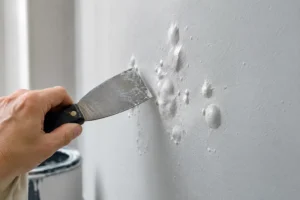
A quality masonry paint system can offer durable protection from rain, sun exposure, and surface dirt when it is applied to properly prepared brick. Preparation is where the project is won or lost. The surface must be cleaned, loose material removed, cracks repaired, and mortar evaluated before primer or paint is applied. Painting over active deterioration only hides the issue temporarily.
Paint also creates a more predictable final color. That is valuable for sellers preparing a property for market, owners updating a dated facade, or managers maintaining a consistent appearance across a rental property. Trim, siding, doors, and shutters can be coordinated around the new brick color for a complete exterior refresh.
The trade-off is maintenance. Painted brick will eventually need cleaning, touch-ups, or repainting as it ages. Chips and peeling are more visible with paint than with many stain finishes, especially around steps, garden walls, and areas exposed to regular moisture or impact.
When Brick Staining Is the Better Fit
Brick staining works well when the brick is fundamentally attractive but its tone needs correction. For example, a homeowner may want to soften bright red brick, reduce orange undertones, darken a faded wall, or bring older and newer brick closer together while keeping the masonry’s character visible.
Because stain generally allows more of the brick texture and variation to show through, the result can look less uniform than paint. That is a benefit for properties where the original masonry is part of the home’s appeal. The finished surface can feel refreshed rather than covered.
Stain can also be a sensible lower-maintenance option in the right application. It is less likely to peel in the way a surface paint film can, although it may fade or weather gradually over time. The actual service life depends on the product, sun exposure, brick porosity, moisture conditions, and preparation quality.
Not all brick accepts stain evenly. Dense, glazed, sealed, or previously painted brick may resist absorption. A test area is especially useful when there are repairs, multiple brick batches, or decades of weathering across the exterior. The final color may vary more than expected if the masonry absorbs stain differently from one area to another.
Moisture Comes Before Color
Brick is porous, and exterior masonry needs a path to release moisture. Water can enter through failed mortar joints, cracks, flashing issues, gutters, ground contact, or poor drainage. If that moisture is trapped behind an incompatible coating, it can contribute to blistering paint, efflorescence, spalling brick, and premature coating failure.
This does not mean brick should never be painted. It means the brick should be evaluated and prepared correctly first. Damaged mortar may need repointing. Cracks should be repaired. Downspouts, grading, and flashing may need attention if they are directing water toward the wall. In climates with wet seasons and freeze-thaw cycles, these details are particularly important.
A contractor should also identify whether the brick has been painted or sealed before. Stain is generally not a direct solution for brick that already has a sound painted coating. In many cases, the existing finish must be properly cleaned, prepared, or removed before a different system can be considered.
Appearance: Uniform Finish or Natural Character
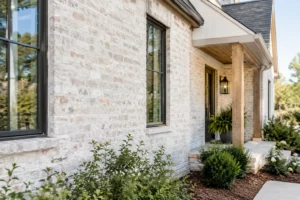
The visual difference between paint and stain is usually easy to see. Paint produces a more solid, controlled appearance. It can make rough, mixed, or repaired masonry look cohesive from a distance. For homes with clean-lined contemporary updates, painted brick can create a strong visual change.
Stain is more subtle. The brick’s pores, texture, and natural variations remain part of the finished look. This approach often suits traditional homes, historic-style properties, and owners who like masonry but dislike its current color.
There is also a middle ground in color selection. A dark paint can make a large brick facade feel dramatic but may show dust and fading more quickly in direct sun. A lighter tone can brighten an entry and complement neutral siding, yet it may show splash marks near landscaping. The best option considers the whole exterior, not the brick in isolation.
Cost and Maintenance Expectations
Project cost is based on more than the selected finish. Surface cleaning, access, repairs, masking, primer, number of coats, and the condition of existing brick all affect the scope. A small, dry, accessible wall in good condition requires far less preparation than a full exterior with failing mortar, previous paint, and moisture damage.
Painting can involve more material and labor because it often requires primer plus multiple finish coats for reliable coverage. Staining may use fewer coats, but detailed color matching and uneven absorption can add time. An accurate quote should clearly identify preparation and repair work rather than treating them as afterthoughts.
For maintenance, painted brick should be inspected periodically for peeling, cracking, water staining, and damaged caulking around nearby trim. Stained brick should be checked for fading, discoloration, and moisture-related changes. Gentle cleaning and early touch-ups are usually easier than waiting for a small failure to spread.
How to Choose With Confidence
Choose paint when you want full coverage, a major color change, or a consistent finish over mismatched brick and repairs. Choose stain when the brick is in good condition and you want to preserve its texture while shifting or refining its color.
The decision should change if the masonry has active moisture problems, crumbling mortar, loose brick, or a failing previous coating. In those situations, repair and surface evaluation come first. A good finish cannot compensate for an unstable substrate.
Qpainting Services approaches brick projects with that order in mind: assess the surface, define the preparation required, explain the finish options clearly, and complete a final walkthrough to confirm the work meets expectations. The right choice should leave your property looking updated while giving the brick the protection and attention it needs for years ahead.
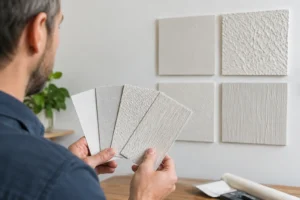
Before selecting a color, ask for an on-site assessment and look at sample areas in the actual light around your property. That small step can prevent a costly surprise and help you choose a finish you will be comfortable maintaining.