A feature wall can change the character of a room without committing to a full redesign. But wallpaper installation for feature walls is only as successful as the surface beneath it, the material selected, and the care taken to line up every panel. A bold botanical print, subtle grasscloth texture, or tailored geometric pattern should look intentional from every angle – not like a quick fix with visible seams or crooked repeat lines.
For homeowners and property owners in St. Catharines and across Niagara, professional wallpaper installation is often a practical way to update a bedroom, dining room, entryway, powder room, or rental unit. The goal is not simply to get wallpaper on the wall. It is to create a clean, durable focal point that fits the room and holds up to daily life.
Why Feature Walls Need More Preparation Than You Think
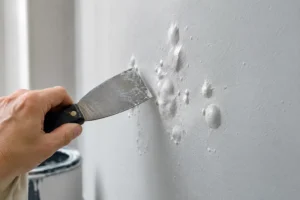
A feature wall draws attention by design. That means small surface flaws that may disappear under flat paint can remain noticeable under wallpaper. Dents, nail pops, uneven drywall seams, old adhesive, and rough patches can telegraph through the paper, especially with lighter colors, smooth finishes, or directional patterns.
Preparation starts with an honest assessment of the wall. Loose or damaged drywall is repaired, gaps and imperfections are filled, and the area is sanded smooth. If old wallpaper is present, it should be removed properly rather than covered without checking the condition below. Residual paste, torn drywall facing, and moisture damage all need attention before a new wallcovering goes up.
Primer is another step that should not be overlooked. The right wallcovering primer helps regulate absorption, improves adhesion, and makes future removal more manageable. This is particularly valuable in rental properties and homes where style preferences may change over time. Skipping primer can save a little time at the beginning, but it can create a much harder, costlier removal project later.
Choosing Wallpaper for a Feature Wall
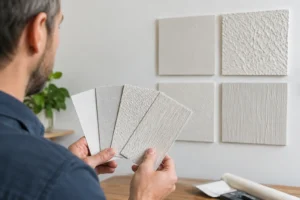
The best wallpaper for a feature wall depends on the room, the existing finishes, and how the space is used. A dramatic paper may work beautifully behind a bed or in a formal dining room, while a busy print in a narrow hallway can make the area feel crowded. Scale matters as much as color.
Large patterns generally need enough open wall space to be appreciated. A wall interrupted by several doors, windows, built-ins, or vents may be better suited to a smaller repeat, a textured finish, or a paper that does not require exact pattern matching. Before installation begins, it is worth considering where furniture, artwork, window coverings, and lighting will sit. The wallpaper should support the room’s focal point rather than compete with it.
Material also affects performance. Vinyl wallpaper is often a sensible choice for busy family areas because it is durable and easier to wipe clean. Non-woven wallpaper is popular for its stability and easier removal, while natural materials such as grasscloth bring warmth and texture but require careful handling. Grasscloth seams are typically visible by nature, so it is not the right product for someone expecting a perfectly uniform finish.
Bathrooms and kitchens require additional care. Wallpaper can work in a well-ventilated powder room or on a wall away from direct water exposure, but high humidity, frequent splashing, and poor ventilation can shorten its life. In those spaces, product selection and wall condition matter even more.
Wallpaper Installation for Feature Walls: The Details That Show
Professional wallpaper installation for feature walls is a layout-driven process. The first panel establishes the entire project. If it is not level, every panel that follows will magnify the problem. Installers use plumb lines and careful measurements rather than assuming a ceiling, corner, or trim line is perfectly straight.
Pattern placement is planned before adhesive is applied. With a large floral, stripe, mural, or geometric design, the starting point affects what is visible at the center of the wall, around windows, and at the ceiling line. A well-planned layout avoids placing an awkward partial motif in the most visible spot whenever possible.
Each strip is cut with enough allowance for final trimming, then hung with controlled pressure to avoid stretching, bubbling, or damaging the face of the material. Seams must meet cleanly without overlapping or pulling apart. Corners, outlets, switches, and trim transitions are handled with precise cuts so the finished wall looks crisp rather than patched together.
This work takes patience because walls are rarely perfectly square. Older homes may have uneven corners, shifting drywall, or trim that is not level. A skilled installer adjusts for those conditions while keeping the overall pattern visually balanced.
What Affects the Cost and Scope of the Project
Feature wall projects can vary widely, even when the wall itself seems small. The wallpaper material, pattern repeat, wall height, number of cutouts, and amount of repair work all influence the time required. A plain, paste-the-wall paper on a smooth rectangular wall is very different from a high-end paper with a large repeat installed around built-ins, windows, and multiple electrical boxes.
Existing wall conditions are often the biggest unknown. If the surface needs drywall repair, adhesive removal, staining treatment, or priming, those steps should be included in the scope from the beginning. Clear, upfront pricing is easier to provide when the wall has been assessed carefully rather than treated as a one-size-fits-all job.
Property managers and sellers should also think about longevity. A lower-cost material may be appropriate for a short-term refresh, while a durable, timeless option can be a better value in a primary residence or a high-visibility rental. The right choice depends on the expected use of the space and how long the finish needs to perform.
When Professional Installation Is Worth It
Some peel-and-stick products are designed for confident do-it-yourself installation, particularly on small, smooth walls with simple patterns. Even then, clean preparation and accurate layout are essential. Peel-and-stick wallpaper can be difficult to reposition once it grabs, and it may show every bump or uneven paint edge underneath.
Professional installation is often the better choice when the paper is expensive, the pattern requires matching, the wall is tall, or repairs are needed first. It is also a practical decision for occupied homes, rental turnovers, and pre-sale projects where timing and cleanliness matter. A contractor can coordinate preparation and installation as one scope, helping reduce disruption and avoid the handoff problems that occur when wall repairs and finishing are treated as separate jobs.
Qpainting Services approaches wallpaper projects with the same attention given to painting and drywall work: assess the surface, define the required preparation, protect the surrounding space, and inspect the completed finish with the customer. That process helps ensure the final result looks polished not only on installation day, but after the room returns to normal use.
Keeping a Feature Wall Looking Its Best
Once installed, most wallpaper benefits from simple care. Avoid harsh cleaners and excessive moisture unless the manufacturer specifically recommends them. Dust gently with a soft, dry cloth or vacuum using a brush attachment on a low setting. For washable vinyl papers, spot cleaning with a lightly damp cloth may be appropriate, but testing an inconspicuous area first is wise.
Pay attention to humidity and ventilation, especially in bathrooms, laundry areas, and basements. Persistent moisture can affect seams and adhesive over time, and it may point to a larger ventilation or water issue that should be addressed before replacing the wallcovering.
A well-chosen feature wall should feel like it belongs in the room, not like an afterthought. With proper repairs, thoughtful layout, and careful installation, it can provide the finished, welcoming look that makes a space easier to enjoy, show, or rent.