A basement can be one of the hardest-working areas of a home, yet it is often the last space to receive proper attention. Scuffed walls, old water stains, exposed repairs, and flat, tired color can make an otherwise useful room feel cold or unfinished. Professional basement painting services address more than appearance. They create a cleaner, brighter, more durable space while accounting for the conditions that make basements different from the rest of the house.
For homeowners, landlords, sellers, and property managers, the goal is not simply to put paint on the walls. It is to get a finish that looks consistent, holds up to regular use, and is completed with clear expectations around preparation, timing, and cost.
Why Basement Painting Services Require More Preparation
Basement walls deal with more variables than main-floor rooms. They may be concrete, drywall, paneling, masonry, or a combination of surfaces. Temperature swings, limited airflow, and higher humidity can affect how paint adheres and cures. A quality result starts with understanding what is under the existing finish.
A professional assessment should identify peeling paint, hairline cracks, drywall damage, stains, mold concerns, and signs of active moisture. These issues do not always mean a painting project must stop, but they do affect the right scope of work. For example, a small drywall repair can be patched, sanded, and primed before painting. Active water intrusion, however, needs to be addressed at the source before a new coating is applied.
Paint is not a substitute for waterproofing. If water is entering through a foundation wall, floor drain, window well, or plumbing leak, even premium paint can eventually blister or peel. A dependable contractor will explain that distinction clearly rather than covering the problem and hoping it stays hidden.
Preparation also matters because basements commonly have utility rooms, finished recreation areas, storage spaces, and stairwells that need different treatment. A family room may benefit from a washable eggshell finish, while a storage or utility area may call for a more practical, easy-clean coating. The right recommendation depends on how the space is used and the condition of each surface.
What Basement Painting Services Should Include
A well-managed project begins with a clear, no-obligation estimate. The estimate should outline the surfaces to be painted, needed repairs, primer requirements, paint type, and any work that falls outside the painting scope. Clear, upfront pricing helps avoid the frustration of discovering added costs after the job is underway.
Surface Repairs and Careful Prep
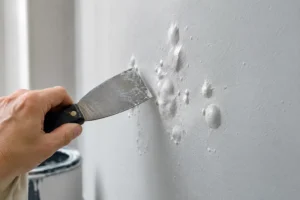
Most basement painting projects are won or lost during preparation. Walls should be cleaned to remove dust, residue, and loose material. Cracks, dents, nail holes, and damaged drywall need appropriate repair before the first coat goes on. Stains often require a stain-blocking primer so they do not bleed through a fresh finish.
Painters should also protect flooring, stairs, furnishings, trim, and fixed equipment. In a finished basement, this can mean careful masking around built-ins, doors, baseboards, and entertainment areas. In an unfinished basement, the priority may be protecting mechanical systems and keeping the work area organized and safe.
Prep takes time, but skipping it creates visible flaws. A freshly painted wall can still look poor if uneven patches, rough sanding, flashing, or old stains show through when the light hits it.
The Right Primer and Paint System
Not every basement wall needs the same product. Drywall that is in good condition may need only spot priming before two finish coats. Bare patches, repaired areas, concrete, masonry, or previously stained walls may need a specialized primer first.
The finish should also fit the room. Flat paint can help hide minor wall imperfections, but it is less washable and may not be the best choice for a busy basement playroom or rental unit. Eggshell and satin finishes offer more cleanability and stand up better to regular contact. Higher sheens reflect more light, which can help a dark basement feel brighter, but they also reveal surface imperfections more easily.
For concrete or masonry walls, product selection requires added care. The coating must be appropriate for the substrate and the moisture conditions. This is one reason a site assessment is more useful than choosing a paint based only on a color chip.
Clean Execution With Minimal Disruption
A basement project should not take over the entire household. Good planning keeps supplies contained, work areas protected, and communication straightforward. Before work begins, homeowners should know when painters will arrive, which rooms will be affected, how long coats need to dry, and when the space can be put back into use.
This matters even more for rental turnovers and pre-sale projects. Landlords and property managers often need repairs and painting coordinated within a narrow window. Sellers may want an outdated basement refreshed before listing photos or showings. In these situations, a contractor who can define the scope quickly and keep the project moving can make a meaningful difference.
Choosing Colors for a Brighter Basement
Basements often have limited natural light, so color choice has a practical impact. Soft off-whites, warm greiges, light taupes, and muted neutrals can make the room feel more open without looking stark. A bright white can work well when there is strong lighting and clean trim, but in a dim basement it may appear cool or gray.
The best choice depends on the room’s use. A finished family room may suit a warm neutral that works with furniture and flooring. A home office or workout space may benefit from a lighter tone that feels clean and focused. For a rental property, a versatile neutral is often the most practical choice because it appeals to more tenants and is easier to touch up between occupants.
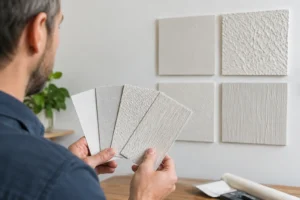
Accent walls can add personality, but they should be used thoughtfully. A darker feature wall can create depth in a large basement room, while using dark paint on every wall may make a low-ceiling space feel more enclosed. Paint samples should be viewed under the actual basement lighting, not only in daylight upstairs.
What Affects Basement Painting Cost and Timing
The size of the basement is only one part of the estimate. Surface condition, ceiling height, number of rooms, repair needs, paint type, trim work, stairwells, and furniture movement all affect labor and materials. An unfinished basement with open walls may require a different process than a finished basement with drywall, doors, baseboards, and detailed trim.
Repairs are another key factor. Small nail holes are routine, but widespread drywall damage, water-stained areas, loose tape, or cracked surfaces require more preparation. Addressing those issues properly adds time, yet it protects the appearance and longevity of the finished work.
Most painting schedules also depend on drying time and ventilation. A contractor should not rush from primer to finish coat before the surface is ready. Proper cure time supports stronger adhesion and a more even result, particularly in cooler or more humid basement conditions.
When Painting Alone Is Not the Right Fix
Painting can dramatically improve a basement, but it has limits. If there is musty odor, visible mold, recurring dampness, crumbling foundation material, or repeated peeling, the underlying condition should be investigated first. The same applies to major drywall damage caused by leaks or flooding.
Once moisture issues are resolved and damaged materials are repaired, painting becomes a valuable finishing step. It can unify repaired areas, improve light reflectance, protect surfaces from everyday wear, and make the basement feel like a usable part of the home rather than an afterthought.
A Better Finish Starts With a Clear Plan
A reliable basement painting project should feel organized from the first walkthrough to the final inspection. Qpainting Services helps property owners define the condition of their basement, the repairs required, the right coatings for the space, and a practical plan for completing the work with minimal disruption.
The final walkthrough is where details matter. Walls should have even coverage, clean cut lines, smooth repaired areas, and no missed spots around corners, trim, or stairwells. A basement does not need to be elaborate to feel finished. With the right preparation and a durable paint system, it can become a cleaner, brighter space that is easier to enjoy, rent, maintain, or show with confidence.