A wallpaper seam that starts to lift can make an entire room feel dated. But removing old paper is rarely as simple as pulling a corner and peeling it away. Professional wallpaper removal services help protect the drywall underneath, manage the mess, and leave the room properly prepared for paint or a new wall finish.
For homeowners, landlords, and property managers in St. Catharines and the Niagara region, the goal is not just to get the wallpaper off. It is to end up with sound, smooth walls that are ready for what comes next without turning a refresh project into an unexpected drywall repair.
Why Wallpaper Removal Needs a Careful Approach
Wallpaper can be attached in very different ways. Some newer papers are designed to peel off in large sheets. Older vinyl papers may have a decorative top layer that separates from a paper backing. In other homes, wallpaper was installed directly over unprimed drywall, multiple layers of old paper, or walls with previous repairs.
That is why the right method depends on the wall and the material. Pulling aggressively can tear the drywall facing, loosen joint compound, or expose uneven patches that need repair. Too much moisture can also create problems if it soaks into drywall seams or trim. The work calls for controlled removal, not force.
A professional assessment identifies what is on the wall before the work begins. This helps set realistic expectations for timing, preparation, and any repairs needed after the paper comes down. Clear scope matters because a wall can look fine behind one section of wallpaper and reveal old damage behind another.
What Professional Wallpaper Removal Services Include
A proper removal project begins with protecting the room. Floors, furniture, baseboards, doors, outlets, and nearby surfaces should be covered or masked before removal starts. This is especially important in furnished homes, rental units, and properties being prepared for sale where keeping disruption low is a priority.
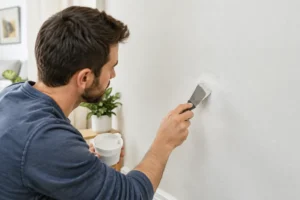
The wallpaper is then tested in a small area to determine how it releases. Depending on the material, the process may involve dry peeling, scoring, controlled steaming, or a wallpaper-removal solution. The objective is to loosen the adhesive while preserving the wall surface below.
Once the paper and backing are removed, adhesive residue must be cleaned away. Skipping this step can cause real problems later. Leftover paste may prevent primer from bonding properly, create rough areas, or become visible through fresh paint when the light hits the wall from an angle.
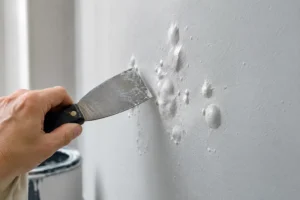
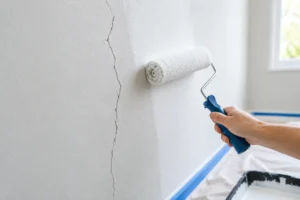
The final preparation stage is where the quality of the finished room is decided. Walls are inspected for tears, nail holes, cracks, loose joint compound, and uneven texture. Repairs are completed as needed, followed by sanding and surface cleaning. If painting is planned, the wall should receive the right primer before the finish coats are applied.
The Difference Between Removing Paper and Preparing Walls
Wallpaper removal and wall preparation are closely connected, but they are not the same service. Removing the paper is only the first part of the job. Preparing the surface ensures the new finish looks smooth, lasts longer, and does not reveal the wall’s history underneath.
Small drywall tears are common, particularly in older homes. These areas may need to be sealed, skimmed, sanded, and primed before painting. Larger issues, such as loose tape at drywall seams, water staining, or old repair patches, may require more detailed drywall work.
This is also the time to address items that were hidden by the wallpaper. A room may benefit from repairing dents, updating trim paint, removing a popcorn ceiling, or repainting doors and baseboards while the space is already being prepared. Combining related work can reduce repeated setup and help create a more consistent finished appearance.
When DIY Wallpaper Removal Makes Sense – and When It Does Not
DIY removal can be reasonable for a small, recently papered accent wall where the material is clearly peelable and the drywall is in good condition. Patience, the right tools, and enough time for cleanup are still necessary. What appears to be a two-hour task can take much longer once adhesive residue and repairs enter the picture.
Professional help is usually the better choice when wallpaper covers several rooms, has been painted over, was installed decades ago, or is coming off in small pieces. It is also a practical option for occupied rentals, homes with limited ventilation, and pre-sale projects where a clean timeline matters.
The trade-off is straightforward. DIY can reduce immediate labor costs, but it can increase the risk of wall damage and lead to more repair work later. Hiring experienced painters adds an upfront cost, yet it gives you a clearer process, contained work area, and walls that are ready for a durable finish.
Common Wallpaper Removal Problems We Plan For
Every wallpaper project has its own conditions, but a few challenges appear often. Multiple wallpaper layers can make removal slower because each layer may react differently to moisture and adhesive solutions. Painted wallpaper can be difficult to penetrate and may need careful scoring before the backing will release.
Old adhesive is another common issue. Even when the paper itself comes off cleanly, paste can remain nearly invisible until paint is applied. Thorough washing, sanding, and priming help prevent a blotchy or uneven appearance.
Moisture damage deserves special attention. If wallpaper has trapped moisture near a bathroom, window, exterior wall, or plumbing area, the underlying drywall should be inspected before refinishing. Covering a damaged surface with paint will not solve the source of the problem. Repairs should address both the wall condition and, where needed, the cause of the moisture.
Preparing Your Home for Wallpaper Removal
A little preparation makes the project easier for everyone. Remove pictures, curtains, wall décor, and small breakable items from the room. If possible, move lightweight furniture away from the walls or to the center of the space. Large furniture can often be covered and protected in place.
Let your contractor know about previous leaks, known drywall repairs, loose outlets, or areas where wallpaper has already started peeling. These details help with planning and may explain conditions found during removal. For rental properties, it is also helpful to confirm access arrangements and the schedule before work begins.
A professional crew should explain what will be protected, how dust and debris will be managed, and whether the room can be used during the project. The answer depends on the size of the area and the condition of the walls, but clear communication reduces surprises.
Choosing Wallpaper Removal Services With Confidence
When comparing wallpaper removal services, ask what happens after the paper is removed. A low price may cover peeling only, while adhesive cleanup, drywall repair, priming, and painting are treated as separate work. There is nothing wrong with separate pricing when it is clearly explained. The issue is uncertainty.
Look for a contractor that can assess the full surface, describe the preparation process, and provide clear upfront pricing based on the condition of the room. A final walkthrough is equally valuable. It gives you the chance to review repaired areas, surface smoothness, and the completed finish before the job is considered complete.
Qpainting Services approaches wallpaper removal as part of a complete surface-refresh process. That means protecting your home, addressing wall repairs when needed, and preparing the surface for a finish that looks clean from every angle.
A Better Starting Point for Your Next Finish
Old wallpaper does not have to dictate the look of a room or create uncertainty about what is hiding underneath. With careful removal and proper wall preparation, bedrooms, hallways, dining rooms, and rental units can move forward with a clean, durable new finish.
Before choosing paint colors or planning new décor, start with the wall itself. A smooth, properly repaired surface gives every finish after it the best chance to look right and hold up well.