Spring is the perfect time for deck maintenance after winter. Snow, ice, and freeze‑thaw cycles in St. Catharines can leave wood decks looking gray, cracked, or mildewed — and if left untreated, minor damage quickly turns into costly structural repairs. Follow these proven deck maintenance after winter steps to fully restore and protect your outdoor living space before the warm-weather season begins.
1. Inspect for Winter Damage
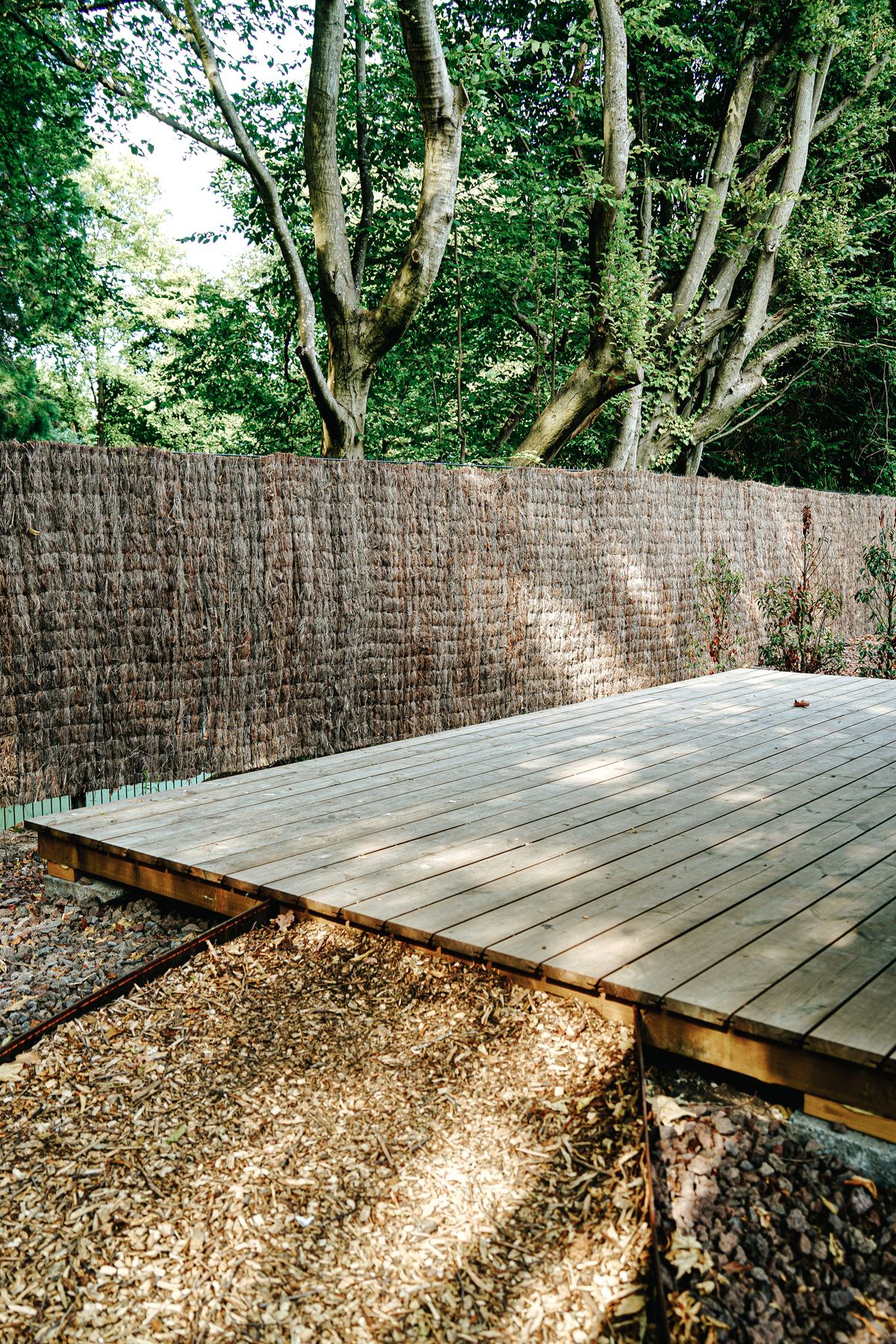
Before anything else, do a thorough walk-through of your deck in good daylight. You’re looking for:
- Loose or popped nails / screws
- Cracked, split, or rotting boards
- Loose railings or stairs (a safety priority)
- Mold, mildew, or algae growth
- Warped or cupped boards caused by repeated freeze‑thaw cycles
Replace damaged boards and tighten all fasteners before moving on to cleaning. Skipping this step risks trapping moisture under new finish, which accelerates rot.
2. Deep Clean – Essential Deck Maintenance After Winter
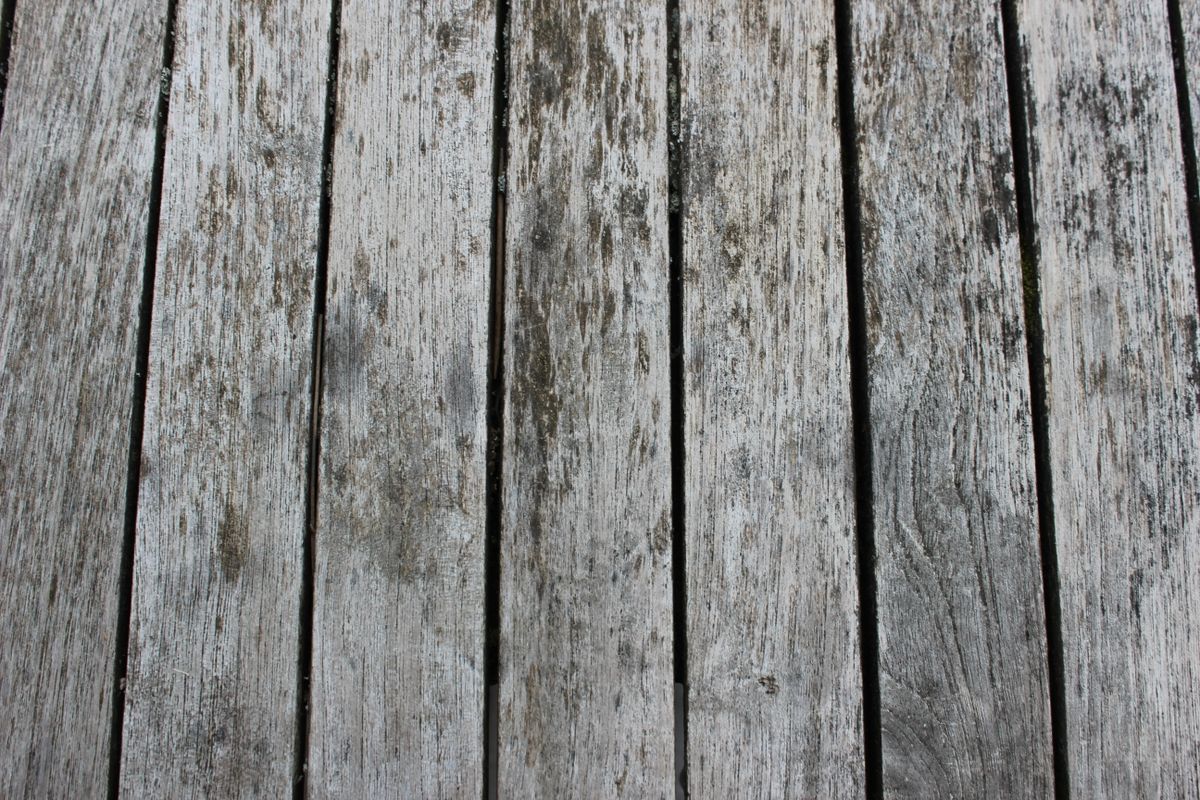
A clean surface is the single biggest factor in how well your new stain or paint adheres. Use an oxygen-bleach deck cleaner (never chlorine bleach — it damages wood fibres and kills surrounding plants). Apply with a stiff-bristle brush or a pressure washer set to a low 500–800 PSI — high pressure strips the wood grain and leaves it fuzzy.
- Always rinse in the direction of the wood grain.
- Pay extra attention to shaded areas where algae collects.
- Allow 2–3 full days of drying time — trapped moisture is the #1 cause of stain failure.

3. Test Whether the Old Finish Needs Stripping
Sprinkle a small amount of water on the dry deck surface. If water beads up, the old finish is still sealing the wood — you can lightly sand and recoat. If water soaks in, the finish has broken down and the deck needs stripping or a deeper clean before new stain is applied.
For our deck staining in St. Catharines service, we always run this test and prepare the surface accordingly — because applying stain over a failing finish is money wasted.
4. Sand, Fill, and Make Structural Repairs
Once dry, sand rough or raised grain with 60–80 grit sandpaper — always with the grain, never across it. This step:
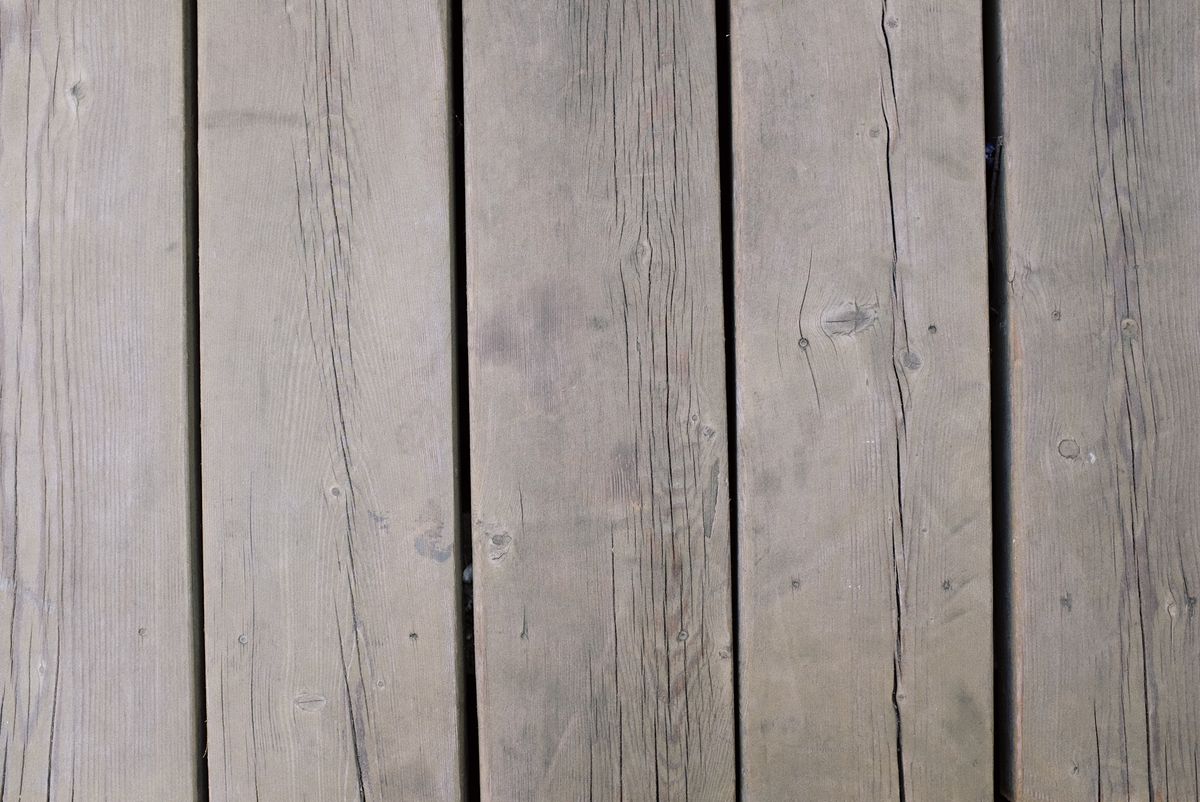
- Removes grey, weathered fibres to reveal fresh wood underneath
- Opens the wood pores so stain penetrates evenly
- Eliminates splinter hazards for bare feet
Fill minor cracks with a flexible exterior wood filler, and replace any boards that feel soft underfoot. This is the stage that most DIYers rush — yet it’s what separates a finish that lasts 5+ years from one that peels in the first season.
5. Choose the Right Finish: Stain vs. Paint
| Feature | Deck Stain | Deck Paint |
|---|---|---|
| Penetration | Into the wood fibres | Sits on top of the surface |
| Appearance | Shows natural wood grain | Hides imperfections; more colour choice |
| Peeling risk | Very low — wears evenly | Can peel if moisture gets underneath |
| Best for | New or good-condition wood | Older decks with visible blemishes |
Not sure which is right for your deck? We walk you through the options during a free consultation. Both are available through our deck painting St. Catharines service.
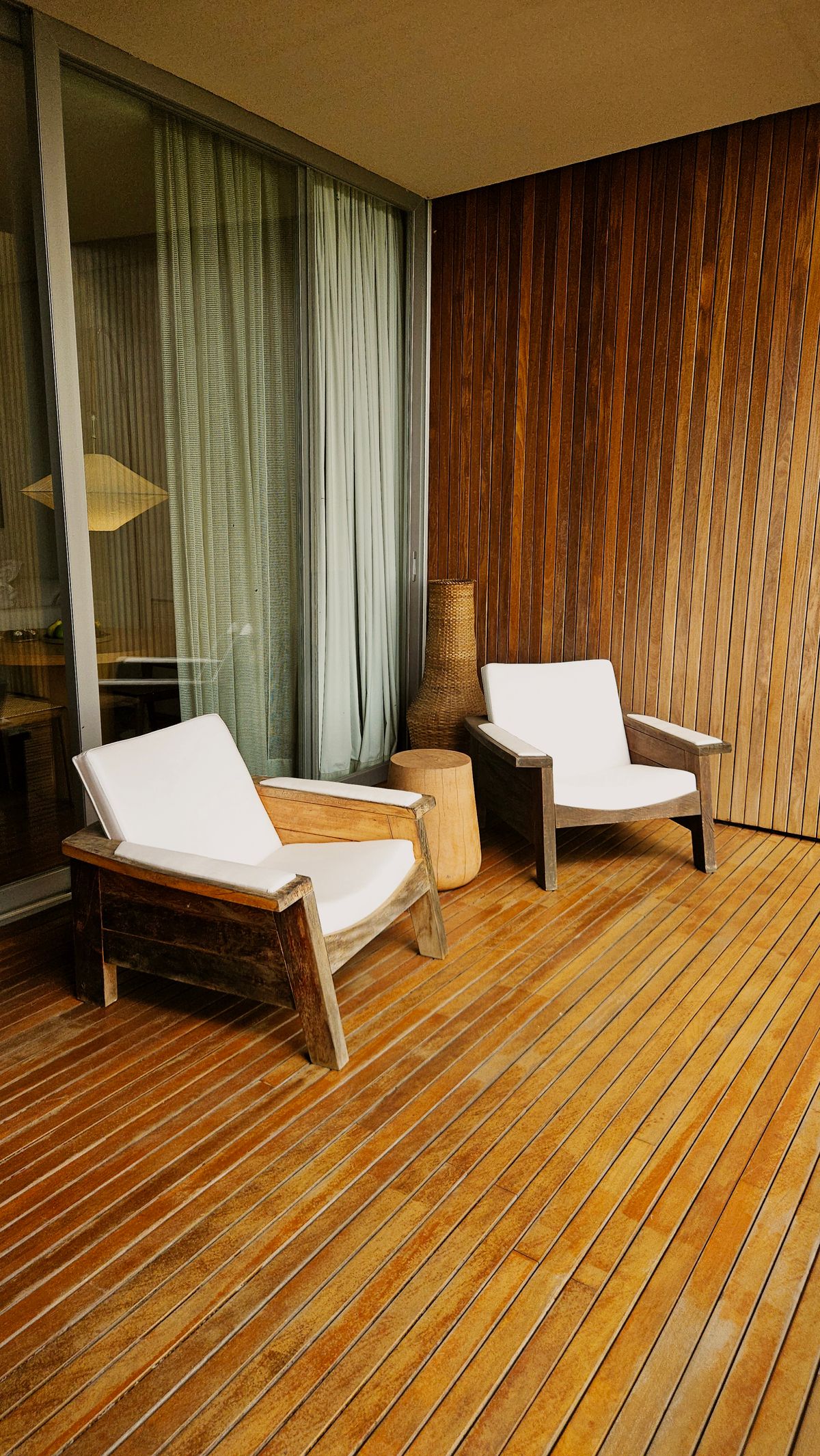
⚠️ Critical deck maintenance after winter tip: Never apply stain or paint on a damp deck. Wait for 3–5 consecutive dry days with temperatures consistently above 10 °C. Applying finish to a damp surface is the leading cause of bubbling, peeling, and premature failure.
6. Apply a UV-Protective Topcoat or Sealer
After staining or painting, consider adding a clear UV-blocking sealer — especially on south- and west-facing decks that receive intense afternoon sun. UV rays break down the lignin in wood, causing premature graying and finish degradation. A sealer adds an extra season or two between recoats and keeps colours vibrant longer.
7. Ongoing Seasonal Maintenance Checklist
- Monthly: Sweep off leaves and debris (trapped moisture = rot)
- Twice a year: Rinse with a garden hose; spot-clean mildew with diluted oxygen bleach
- Every 2–3 years: Reapply stain or paint depending on wear
- Before winter: Clear standing water; store furniture; check fasteners
When to Call a Professional
If your deck has extensive rot, structural issues, or you simply don’t have the time to do the job properly, Qpaintings can handle everything — from cleaning and repairs to final finishing. We also offer fence painting and wood staining for a fully cohesive outdoor look.
We serve St. Catharines, Thorold, Welland, and the entire Niagara region.
Frequently Asked Questions
How often should I perform deck maintenance after winter?
Inspect and clean your deck every spring. Reapply stain or paint every 2–3 years, or sooner if the water-bead test shows the finish has failed.
Can I pressure wash my deck?
Yes, but keep the PSI between 500–800 and hold the nozzle at least 30 cm from the surface. Higher pressure strips the wood grain and raises fibres, making the finish look rough and uneven.
How long does deck staining take to dry?
Most deck stains are dry to the touch within 1–2 hours and fully cured within 24–48 hours, depending on temperature and humidity. Avoid foot traffic for at least 24 hours.
Is deck staining or painting better in the Niagara climate?
For most St. Catharines-area decks, semi-transparent stain is the top choice — it handles freeze‑thaw cycles better than paint because it flexes with the wood rather than sitting on top of it.
Helpful External Resources
- This Old House – How to Clean a Deck
- Deck Stain Help – Maintenance Tips Guide
- Health Canada – Home Safety Guidelines
Protect Your Deck This Season
Ready to restore and protect your outdoor space? Contact Qpaintings today for a free, no-obligation quote on deck staining or deck painting in St. Catharines and the Niagara region. We’ll have your deck looking brand new — before summer arrives.